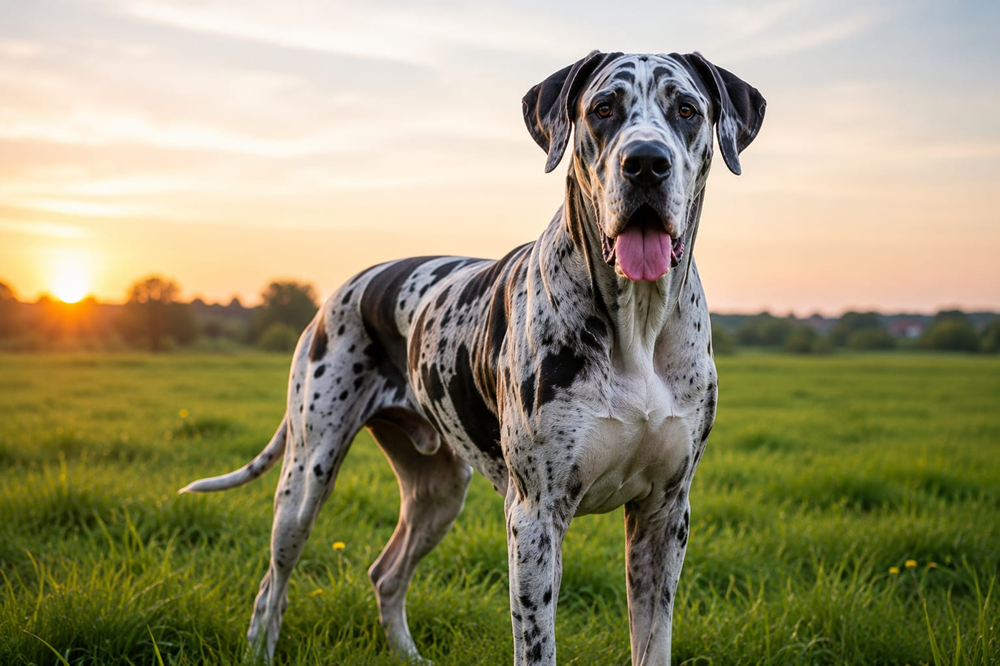
If you have ever seen a dog that looks more like a graceful mini-horse, chances are you were looking at a Great Dane. Towering over most other breeds, these grand dogs are world-famous for their magnificent size. However, what truly captures the hearts of dog lovers worldwide is not their height, but their gentle, sweet-natured soul.
At Whohpet, our goal is to provide dog lovers and potential owners with accurate, well-researched, and clear pet information. In this comprehensive guide, we will dive deep into the origin, physical features, personality traits, daily care, feeding schedules, and health requirements of this majestic breed.
Surprising History: The Boar Hunter of Germany
Despite the word “Dane” in their name, these dogs have no real historical connection to Denmark. As we often highlight in our breed guides on Whohpet, their true roots lie in Germany, where they are officially known as the Deutsche Dogge (German Mastiff).
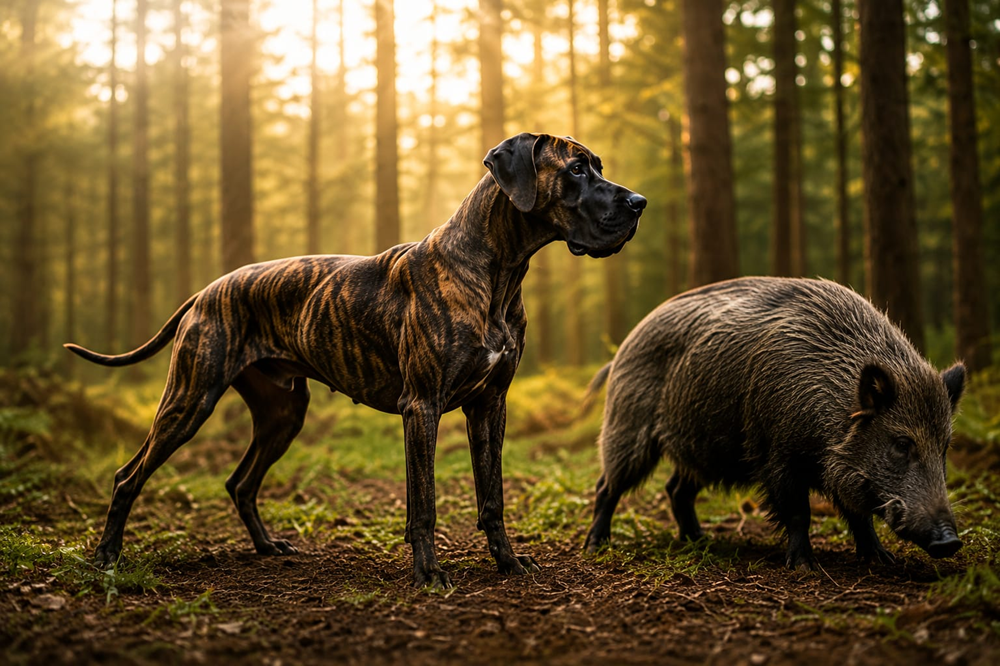
Centuries ago, German nobility bred these giants by crossing English Mastiffs with Irish Wolfhounds. Their original purpose was to hunt wild boars—one of the most fierce, fast, and dangerous wild animals in Europe. To tackle a boar, a dog needed to be immensely strong, agile, and courageous.
Over time, as hunting traditions faded and firearms improved, breeders shifted their focus. Through selective breeding, they carefully softened the dog’s temperament, transforming a fierce hunting hound into the noble, quiet, and affectionate family companion we know today.
Physical Appearance & Breed Standards
| Feature | Details |
|---|---|
| Height | 28 to 32 inches+ |
| Weight | 110 to 175 lbs |
| Life Span | 7 to 10 years |
| Coat Type | Short, sleek, low-maintenance |
A Great Dane’s physical presence is purely majestic. Built with clean muscular lines, a deep chest, and an elegant posture, they hold records for being among the tallest dog breeds on earth.
Standard Height and Weight
Coat Colors and Patterns
Great Danes have a short, sleek, and low-maintenance coat. According to major kennel clubs, they come in six official coat colors:
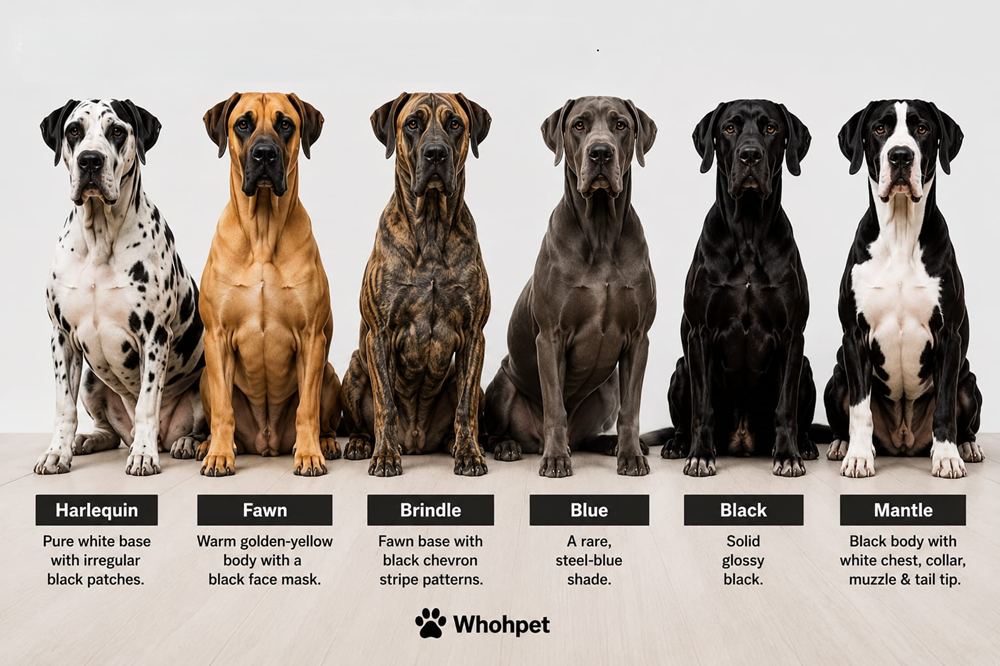
- Harlequin: Pure white base with irregular black patches scattered across the body.
- Fawn: A warm golden-yellow body with a distinct black face mask.
- Brindle: Fawn base with black chevron stripe patterns.
- Blue: A rare, steel-blue shade.
- Black: Solid glossy black.
- Mantle: Black body with a white chest, collar, muzzle, and tail tip (similar to a tuxedo pattern).
Personality & Temperament: Giant Body, Soft Heart
Don’t let their giant frame fool you—Great Danes are affectionately known as the “Gentle Giants” for a good reason.
1. The Ultimate Lap Dog
Great Danes often seem blissfully unaware of their massive physical size. They love leaning against their owners’ legs, resting their heavy heads in your lap, or trying to squeeze onto the couch next to you for a afternoon nap.
2. Deeply Sensitive and Family-Oriented
They form strong emotional bonds with their human family and thrive on indoor companionship. Great Danes are highly attuned to human emotions; if you are feeling stressed or down, a Dane will quietly sit beside you to offer comfort.
3. Patient with Children and Other Pets
When properly socialized from a young age, Great Danes are remarkably patient and calm around kids. However, because of their weight, adult supervision is always recommended around small toddlers to prevent accidental bumps. They also do well with other household pets, including smaller dogs and cats, if raised together.
4. Natural Watchdogs
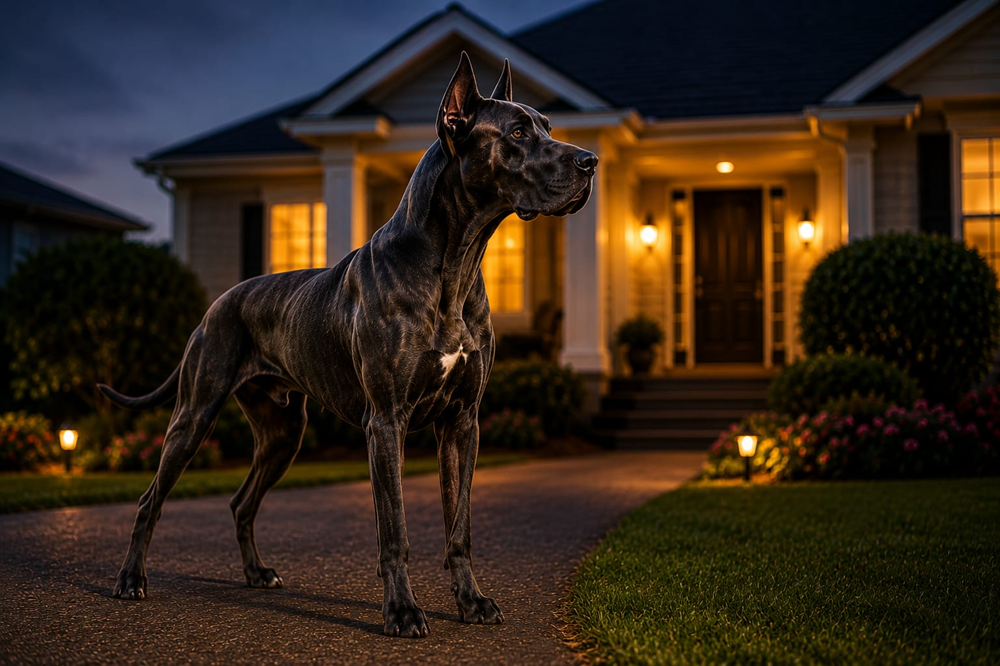
Great Danes are not inherently aggressive, nor are they loud barkers. However, their sheer size and deep, authoritative bark are more than enough to make any intruder think twice. They protect your home through presence rather than hostility.
Daily Care: Exercise, Grooming, and Living Space
Taking proper care of a giant breed requires a clear understanding of their daily lifestyle needs. Here is what the Whohpet research team recommends:
Living Space Requirements
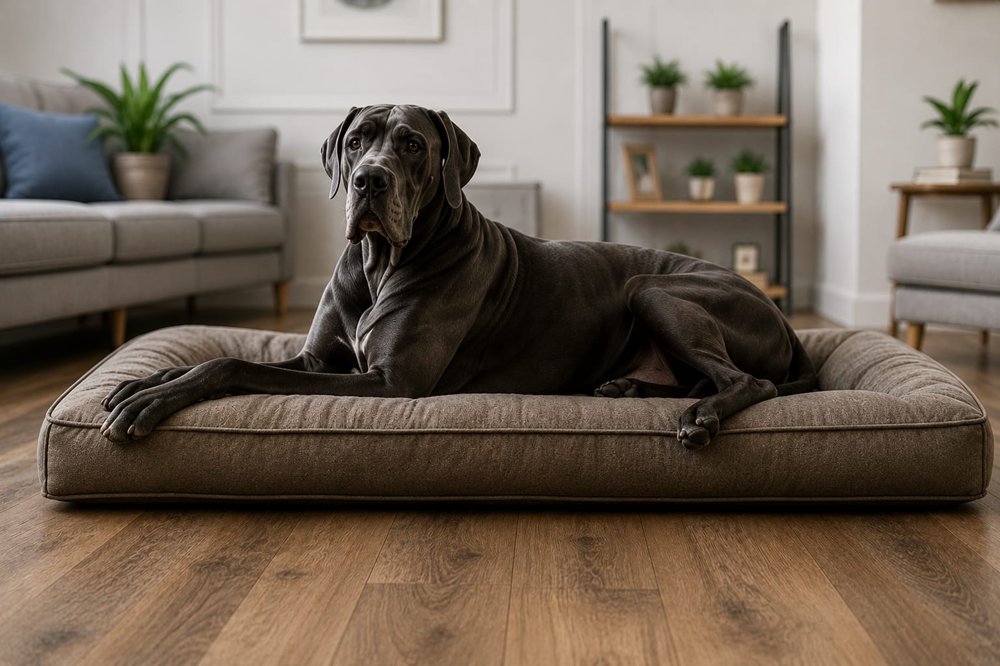
While they are large dogs, Great Danes are surprisingly quiet indoors and can adapt well to various home environments—including large apartments—provided they get regular daily walks. However, having enough space for a large orthopedic bed is a must.
Exercise Needs
Despite their athletic appearance, Great Danes are low-to-moderate energy dogs.
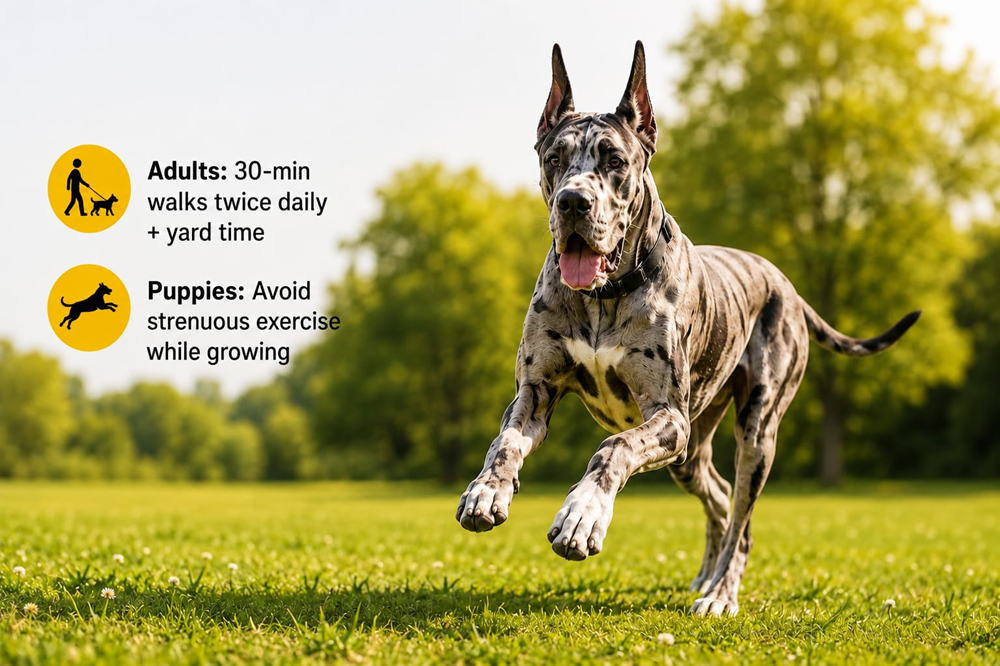
Adults:
A couple of 30-minute walks each day plus some casual yard time are usually enough to keep them fit.
Puppies:
Avoid strenuous running, jumping, or long hikes while they are growing. Their growth plates mature slowly, and excessive impact can lead to permanent joint damage.
Grooming Routine
Grooming a Great Dane is simple due to their short coat:
Brushing: Brush once a week with a rubber curry brush or bristle brush to control shedding.
Bathing: Bathing is only needed once every 6 to 8 weeks, unless they get muddy.
Nail Trimming: Trim nails regularly every 2 to 3 weeks. Long nails cause foot pain in heavy breeds.
Nutrition and Feeding Schedule
Feeding a giant dog requires careful planning to support their rapid growth spurts without causing bone deformities.
1. Feeding Puppies

Giant breed puppies should be fed a high-quality Giant Breed Puppy Formula. Standard puppy foods often contain too much protein and calcium, which can cause bones to grow faster than joints can handle.
2. Feeding Adults
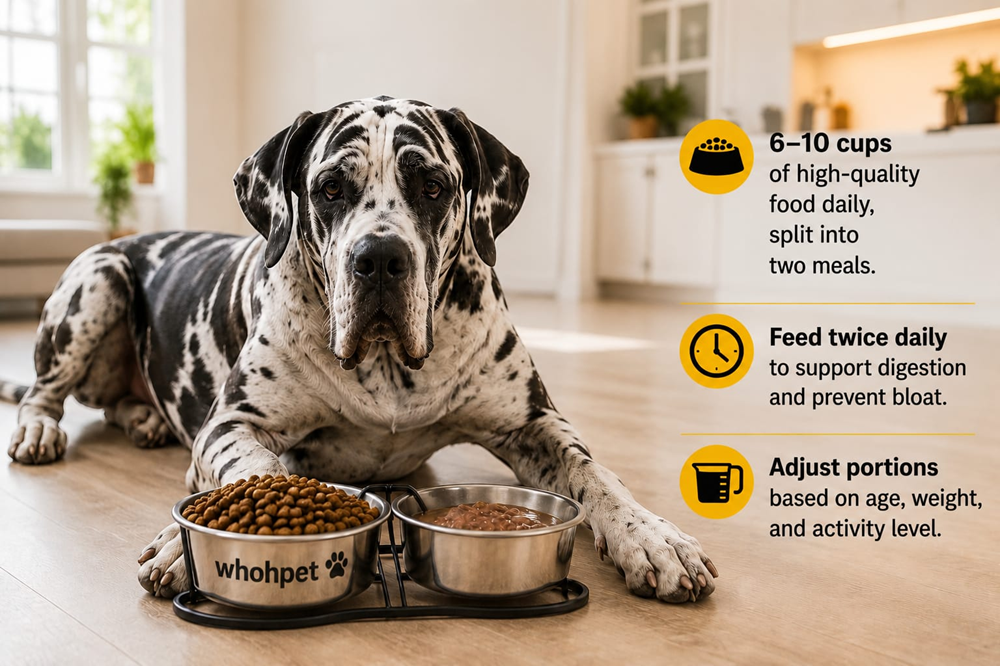
An adult Great Dane can consume 6 to 10 cups of high-quality dry food daily, split into two separate meals.
Never feed a single large meal per day. Splitting food into two or three smaller meals significantly reduces the risk of stomach complications.
Key Health Concerns Every Owner Must Know
Because of their immense size, Great Danes have a shorter lifespan compared to smaller breeds, averaging 7 to 10 years. Knowing potential health issues helps you take preventive action early:
1. Bloat (Gastric Dilatation-Volvulus – GDV)
Bloat is the number one life-threatening issue for deep-chested giant breeds. Gas builds up in the stomach, causing it to twist and cut off blood flow.
Prevention: Use slow-feeder bowls, do not allow heavy exercise for at least 1 hour after meals, and keep food bowls at floor level unless advised otherwise by your vet.
2. Hip and Elbow Dysplasia
This occurs when joints do not develop properly, leading to arthritis and pain. Keeping your dog at an optimal body weight reduces stress on their joints.
3. Cardiac Issues (Dilated Cardiomyopathy)
DCM is a heart condition where the heart muscle weakens and becomes enlarged. Regular vet checks and heart screenings are recommended.
Essential Training Tips for Great Dane Owners
Training a Great Dane is not optional—it is essential. A 150-pound dog that pulls on a leash or jumps on guests can be dangerous.
Start Early: Begin basic obedience training and crate training as soon as you bring your puppy home (8–10 weeks old).

Positive Reinforcement: Great Danes are sensitive dogs. Use treats, praise, and consistency rather than harsh physical corrections.
Leash Manners: Teach loose-leash walking early, while the puppy is still small enough to control easily.
Final Thoughts from Whohpet
Understanding a dog’s physical needs, temperament, and health requirements is the first step toward responsible pet parenting. The Great Dane is a one-of-a-kind companion that brings unmatched loyalty, warmth, and joy to any home.

Whether you are exploring dog breeds for future adoption or looking to expand your pet knowledge, Whohpet is your trusted source for accurate, informative, and engaging pet content every step of the way.
Frequently Asked Questions
A Great Dane is one of the tallest dog breeds in the world. Despite its giant size, it is known for its gentle, affectionate, and friendly nature, which is why it is often called the “Gentle Giant.
Yes, a Great Dane can adapt to apartment living if it receives enough daily exercise and has enough indoor space to move around comfortably and rest on a large bed.
Yes. Great Danes are intelligent and eager to please. They respond best to positive reinforcement, consistency, and early socialization.
The average lifespan of a Great Dane is 7–10 years. Proper nutrition, regular exercise, routine veterinary care, and maintaining a healthy weight can help support a longer, healthier life.
The six official coat colors are Harlequin, Fawn, Brindle, Blue, Black, and Mantle. Each color has its own unique appearance, but all belong to the same breed.
Great Danes are calm, loyal, affectionate, and intelligent dogs. They enjoy spending time with their family and usually get along well with children and other pets when properly socialized.