The Siberian Husky is one of the most recognizable dog breeds in the world. With its striking eyes, thick double coat, athletic body, and wolf-like appearance, this breed easily catches attention wherever it goes. However, the Siberian Husky is much more than a beautiful dog. It is an energetic, intelligent, independent, and highly social companion that needs the right environment and an owner who understands its unique personality.
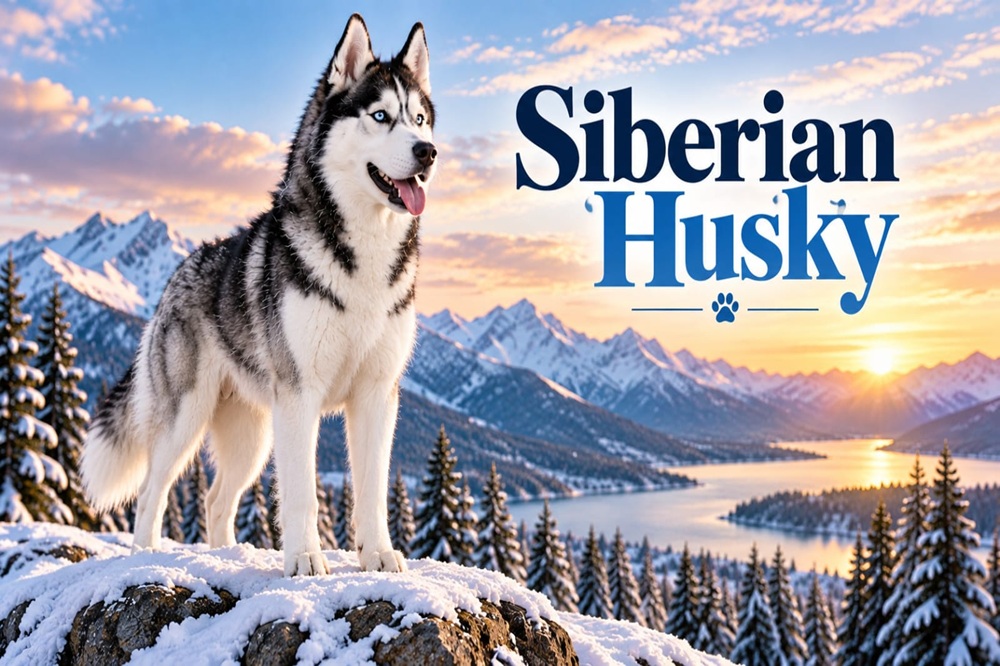
Originally developed in northeastern Siberia, Huskies were bred to pull sleds over long distances in extremely cold conditions. Their history explains many of the characteristics that make them special today, including their impressive stamina, love of activity, and ability to work as part of a team. Before bringing one home, it is important to understand what daily life with a Siberian Husky is really like.
Siberian Husky Appearance
Siberian Huskies have a medium-sized, athletic build designed for endurance rather than heavy strength. Their body is well balanced, with strong legs, a deep chest, and a thick coat that protects them from cold weather.
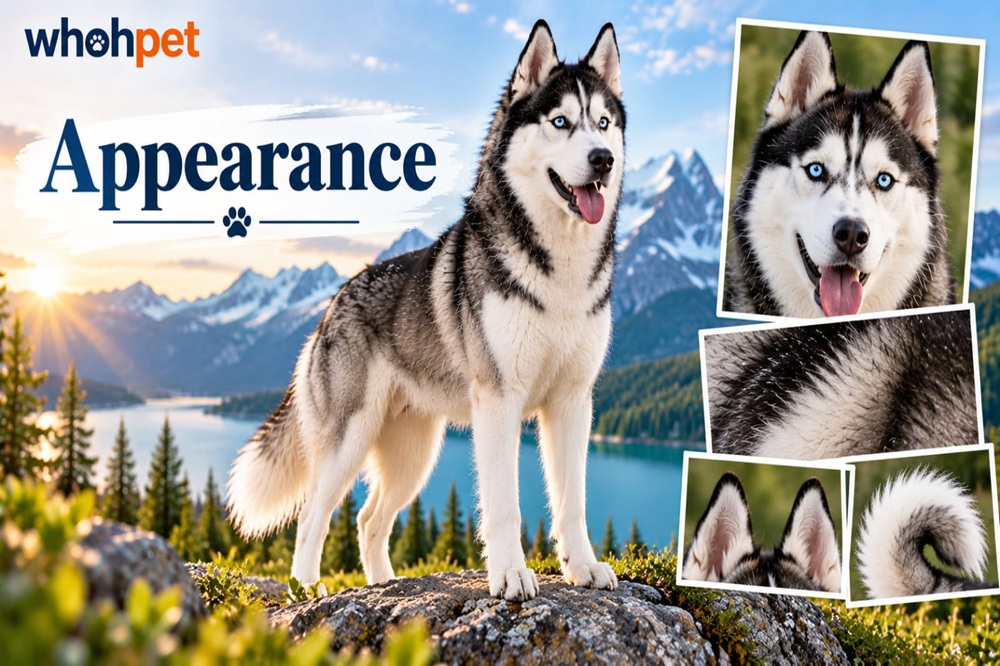
Their almond-shaped eyes can be blue, brown, or a combination of both. Some Huskies may even have one blue eye and one brown eye, a feature known as heterochromia. Their triangular ears stand upright, while their bushy tail is usually carried over the back or curved slightly when they are alert.
The coat comes in many color combinations, including black and white, gray and white, red and white, and mostly white. Their appearance can vary considerably, but the classic Husky look usually includes a facial mask and contrasting markings.
Siberian Husky Personality
A Siberian Husky is generally friendly, playful, curious, and energetic. Unlike some breeds that are naturally protective of their territory, Huskies are often welcoming toward people. This means they may not be the best choice if your primary reason for getting a dog is home protection.
They are also known for being independent thinkers. A Husky may understand a command perfectly and still decide that following it is not particularly interesting. This can sometimes make training challenging for inexperienced owners.
At the same time, Huskies can be extremely affectionate and entertaining. They often enjoy spending time with their families and can develop strong social bonds. Their playful behavior and expressive personality are among the reasons they have become such popular companion dogs.
Exercise Requirements
One of the most important things to understand about a Siberian Husky is its need for regular exercise. This breed was created to travel long distances, so a short walk around the neighborhood may not be enough to satisfy an adult Husky.
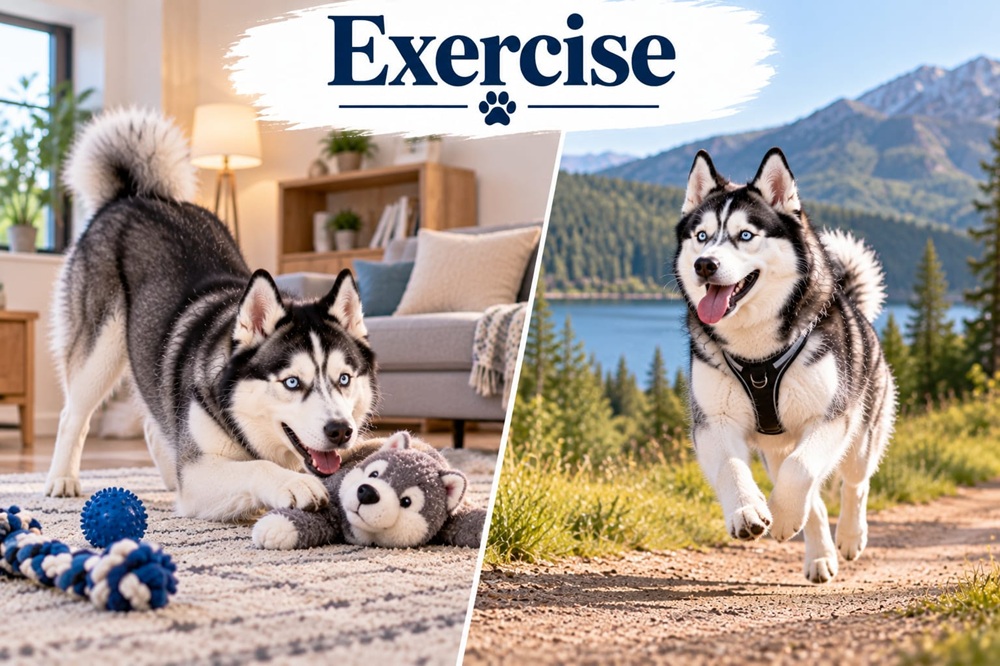
Daily physical activity can include brisk walks, running, hiking, interactive games, and other forms of exercise appropriate for the dog’s age and fitness level. Mental stimulation is equally important. Puzzle toys, obedience exercises, scent games, and interactive activities can help keep their active minds occupied.
A Husky that does not receive enough exercise may become bored and look for its own entertainment. That can result in digging, chewing, escaping, excessive vocalization, or other unwanted behaviors.
Training a Siberian Husky
Training should begin early and remain consistent. Siberian Huskies are intelligent, but intelligence does not automatically mean obedience. They can become easily distracted and may lose interest in repetitive training sessions.

Positive reinforcement usually works well. Rewarding desirable behavior with treats, praise, toys, or play can make learning more enjoyable. Training sessions should be relatively short, engaging, and varied.
Socialization is also essential. Puppies should gradually experience different people, environments, sounds, surfaces, and friendly animals in a safe and controlled manner. Good early socialization can help a Husky become a more confident and adaptable adult.
One major challenge is their tendency to run. Huskies are famous escape artists, and many have a strong desire to explore. Secure fencing and careful handling are therefore extremely important.
Grooming and Coat Care
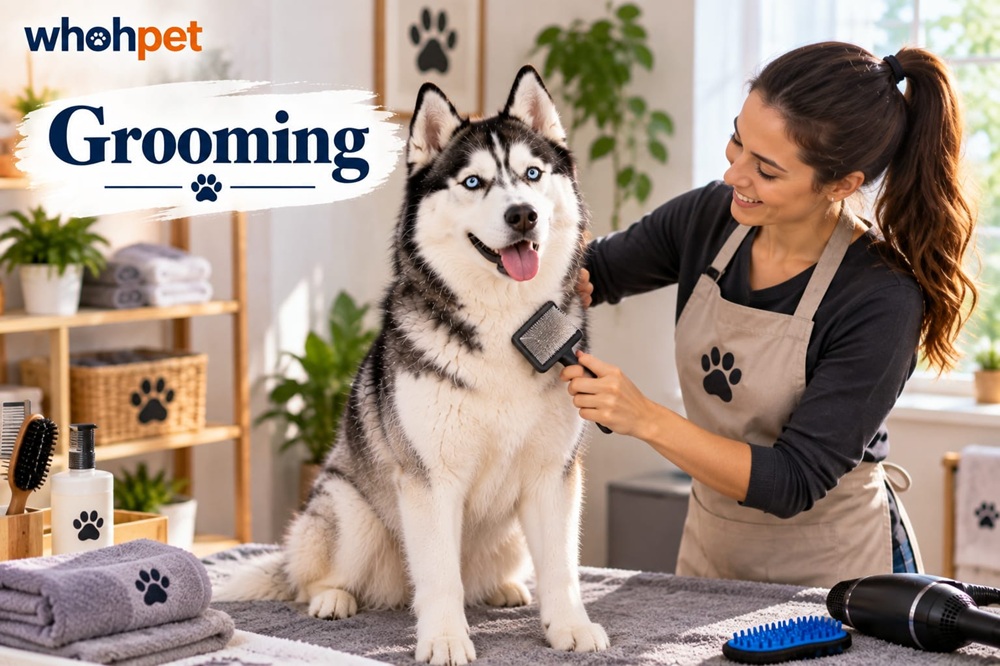
The Siberian Husky has a thick double coat consisting of a protective outer layer and a softer undercoat. This coat helps regulate body temperature and protects the dog from harsh weather.
Huskies typically shed throughout the year, with particularly heavy shedding periods when they lose much of their old undercoat. Regular brushing helps remove loose hair and keeps the coat in better condition.
Bathing does not usually need to be frequent unless the dog becomes particularly dirty or a veterinarian recommends it. Over-bathing can remove natural oils from the skin.
Owners should also pay attention to nail trimming, dental hygiene, and regular ear checks. A consistent grooming routine can make these tasks easier for both the dog and the owner.
Feeding a Siberian Husky

A Husky needs a balanced diet appropriate for its age, size, activity level, and individual health requirements. Puppies, adults, and senior dogs may have different nutritional needs.
Because Huskies are active dogs, their food should provide adequate high-quality protein and other essential nutrients. However, simply giving a highly active dog unlimited food is not a good approach. Portion sizes should be based on the dog’s body condition and lifestyle.
Fresh drinking water should always be available, especially after exercise or during hot weather.
If you are unsure about the appropriate diet, a veterinarian can help determine the right food and feeding schedule for your individual dog.
Common Health Concerns
Siberian Huskies are generally considered a hardy breed, but like all dogs, they can be affected by certain health problems. Potential concerns may include hip-related conditions, eye disorders, allergies, and some hereditary diseases.

Regular veterinary examinations can help identify health issues early. Responsible breeders also screen breeding dogs for relevant inherited conditions.
Owners should watch for changes in appetite, energy, movement, vision, coat condition, or behavior. Any persistent or unusual symptoms should be discussed with a veterinarian.
Siberian Husky and Hot Weather
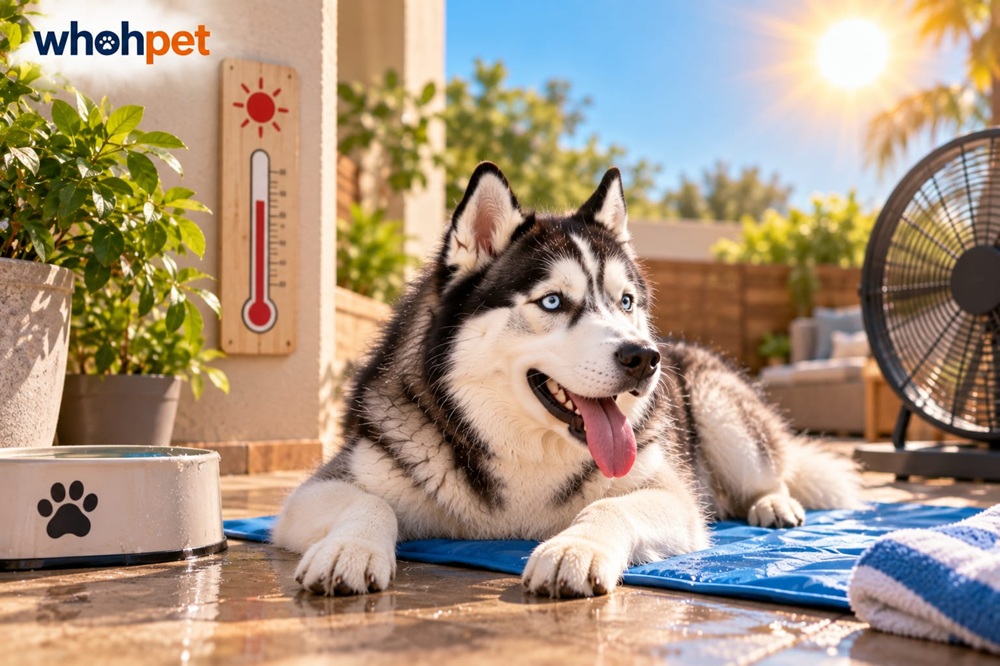
The Husky’s thick coat is designed for cold environments, so hot and humid climates require extra care. This is particularly important in warmer regions.
During hot weather, exercise should generally be scheduled during cooler parts of the day. The dog should have access to shade, good ventilation, and plenty of fresh water.
Never assume that shaving a Husky is the best way to keep it cool. Its double coat serves several functions, including protection from sunlight and environmental conditions. Proper grooming and heat management are usually more appropriate than removing the coat.
Owners should also understand the warning signs of overheating, such as excessive panting, weakness, confusion, vomiting, or collapse. Suspected heatstroke requires urgent veterinary attention.
Is a Siberian Husky Right for Your Family?
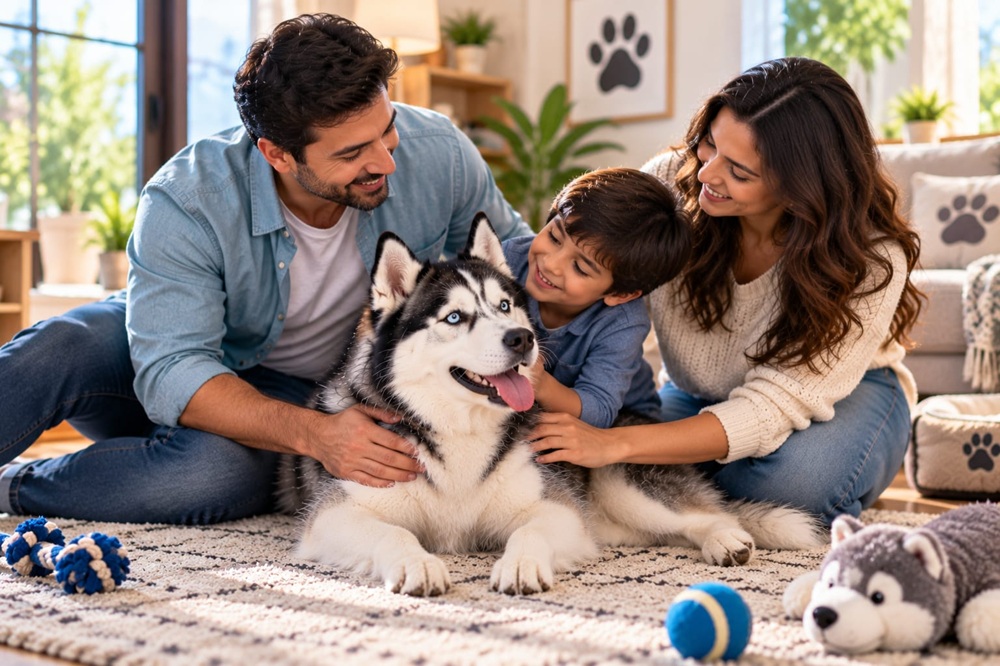
A Siberian Husky can be an excellent companion for an active household that has enough time and space to meet its physical and mental needs. It can be especially suitable for people who enjoy outdoor activities and want a playful dog that can participate in an active lifestyle.
However, it may not be the easiest breed for first-time dog owners. Its independence, exercise requirements, shedding, vocal nature, and escape tendencies can be challenging.
Families should also consider whether they can provide enough daily interaction. A Husky generally does better when it receives regular companionship, activity, training, and mental stimulation.
Final Thoughts

The Siberian Husky is a beautiful and fascinating breed with a personality just as impressive as its appearance. Its athletic nature, intelligence, playful attitude, and social character make it a wonderful companion for the right owner.
But owning a Husky is a long-term commitment. This breed needs regular exercise, consistent training, grooming, responsible feeding, and careful attention to its environment. Its ability to escape and its sensitivity to hot weather also require special consideration.
If you are prepared to meet those needs, life with a Siberian Husky can be incredibly rewarding. Instead of choosing this breed only because of its beautiful eyes or wolf-like appearance, learn about its lifestyle first. The best match is one where the dog’s natural instincts and energy fit comfortably with the family’s everyday life.