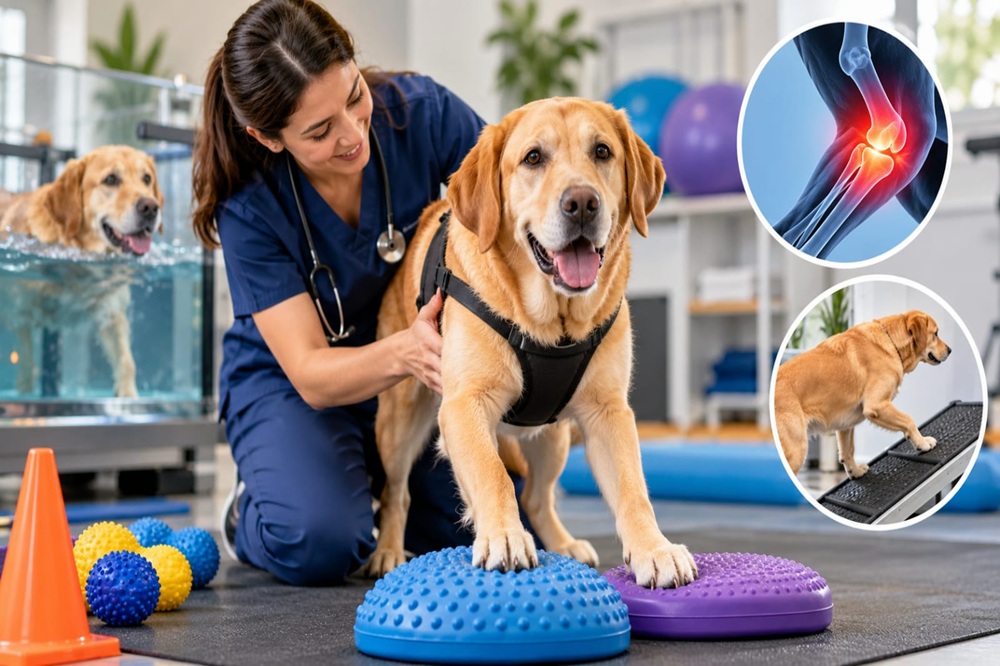
Joint problems can make everyday movement difficult for an adult dog. Activities that were once easy, such as walking, climbing stairs, getting up, or playing, may become uncomfortable. When joint pain affects mobility, physical therapy and rehabilitation can play an important role in helping an adult dog move more comfortably.
Veterinary rehabilitation focuses on improving mobility, maintaining muscle strength, supporting joint function, and helping dogs return to appropriate levels of activity.
What Is Physical Therapy for Adult Dogs?
Physical therapy for dogs uses controlled exercises and therapeutic techniques to improve movement and physical function.
A rehabilitation program is usually designed according to the individual dog’s condition, fitness level, symptoms, and veterinary diagnosis. The goal is not simply to make the dog exercise more, but to use appropriate activities in a controlled way.
Depending on the dog’s needs, rehabilitation may be recommended for joint pain, arthritis, orthopedic injuries, or recovery after certain procedures.
Why Can Rehabilitation Help Adult Dogs With Joint Problems?
Joint discomfort can cause an adult dog to move less. Reduced activity can then lead to muscle weakness and reduced flexibility, which may make movement even more difficult.
A carefully designed rehabilitation program can help address this cycle by supporting:
- – Muscle strength
- – Flexibility
- – Balance
- – Coordination
- – Joint mobility
- – Overall movement
- – Physical conditioning
The specific benefits depend on the underlying joint problem and the dog’s individual condition.
Common Rehabilitation Exercises
A veterinarian or veterinary rehabilitation professional may recommend different exercises depending on the dog’s needs.
Controlled Walking
Short, controlled walks can help maintain movement and muscle activity without unnecessarily overloading painful joints.
The duration and intensity should be appropriate for the dog’s condition. If an adult dog becomes more painful or significantly tired after exercise, the activity level may need to be adjusted.
Range-of-Motion Exercises
Gentle movement of a joint through an appropriate range can help maintain flexibility. These exercises should be demonstrated by a veterinary professional so that owners understand how to perform them safely.
Sit-to-Stand Exercises
When appropriate, controlled sit-to-stand exercises can help strengthen the muscles used for standing and movement.
However, this exercise is not suitable for every dog with joint pain. A professional should determine whether it is appropriate and how many repetitions should be performed.
Balance Exercises
Some rehabilitation programs include controlled balance exercises. These activities can help an adult dog improve body awareness, coordination, and stability.
Swimming and Underwater Treadmills
Water-based rehabilitation can provide exercise while reducing some of the weight placed on the joints.
Swimming and underwater treadmill therapy should be performed under appropriate professional guidance, particularly when a dog has significant pain, weakness, or another medical condition.
How Rehabilitation Is Planned
A rehabilitation program should be individualized rather than based on a general exercise routine.
A veterinary professional may consider:
- – The dog’s diagnosis
- – Which joints are affected
- – Pain level
- – Muscle strength
- – Body weight
- – Current activity level
- – Previous injuries
- – Overall health
The program may begin with gentle activities and gradually progress as the dog’s strength and mobility improve.
Home Exercises for Adult Dogs
Some dogs can continue specific rehabilitation exercises at home between professional sessions. However, owners should follow the instructions provided by their veterinarian or rehabilitation professional.
Doing too much exercise too quickly can increase discomfort or place additional stress on an affected joint.
It is also useful to monitor your dog’s response after each activity. Increased stiffness, limping, reluctance to move, or other noticeable changes may indicate that the exercise routine needs professional reassessment.
Creating a Rehabilitation-Friendly Home
Small changes at home can make movement easier for an adult dog with joint problems.
Consider using:
- – Non-slip mats on slippery floors
- – A comfortable supportive bed
- – Ramps where appropriate
- – Easy access to food and water
- – A safe area for controlled movement
- Reducing unnecessary jumping and slipping can also help minimize stress on painful joints.
- Rehabilitation and Weight Management
Maintaining a healthy body weight is an important part of joint care. Excess weight can increase the mechanical load placed on joints during movement.
If an adult dog is overweight, rehabilitation and exercise should be combined with an appropriate weight-management plan recommended by a veterinarian.
Weight reduction should be gradual and based on the dog’s individual nutritional and medical needs.
How Long Does Rehabilitation Take?
The recovery period varies from one adult dog to another.
Some dogs may show improvements in mobility relatively quickly, while others require a longer rehabilitation program. The underlying condition, severity of joint problems, fitness level, and consistency of the rehabilitation plan can all influence progress.
Rehabilitation is often a gradual process rather than a quick solution.
When Should You Consult a Professional?
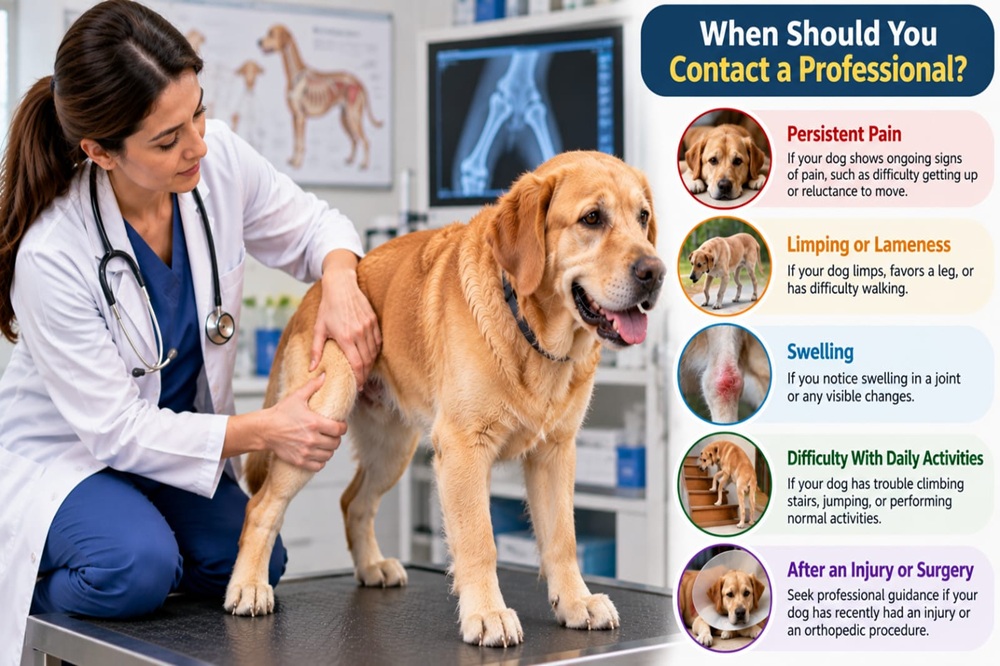
Before starting a new rehabilitation program, it is important to have your adult dog evaluated by a veterinarian, especially if there is persistent pain, limping, weakness, or difficulty walking.
Professional guidance is particularly important if your dog has recently experienced an injury or undergone an orthopedic procedure.
A veterinarian can determine the underlying cause of the mobility problem and decide whether rehabilitation is appropriate.
Final Thoughts
Physical therapy and rehabilitation can be valuable components of joint care for adult dogs. Appropriate exercises may help maintain muscle strength, mobility, balance, and physical function while supporting a dog’s ability to perform everyday activities.
The key is to use a personalized and controlled approach. Not every exercise is appropriate for every dog, and increasing activity too quickly can make some joint problems worse.
With veterinary guidance, suitable exercise, weight management, and a supportive home environment, rehabilitation can help many adult dogs with joint problems maintain better mobility and quality of life.