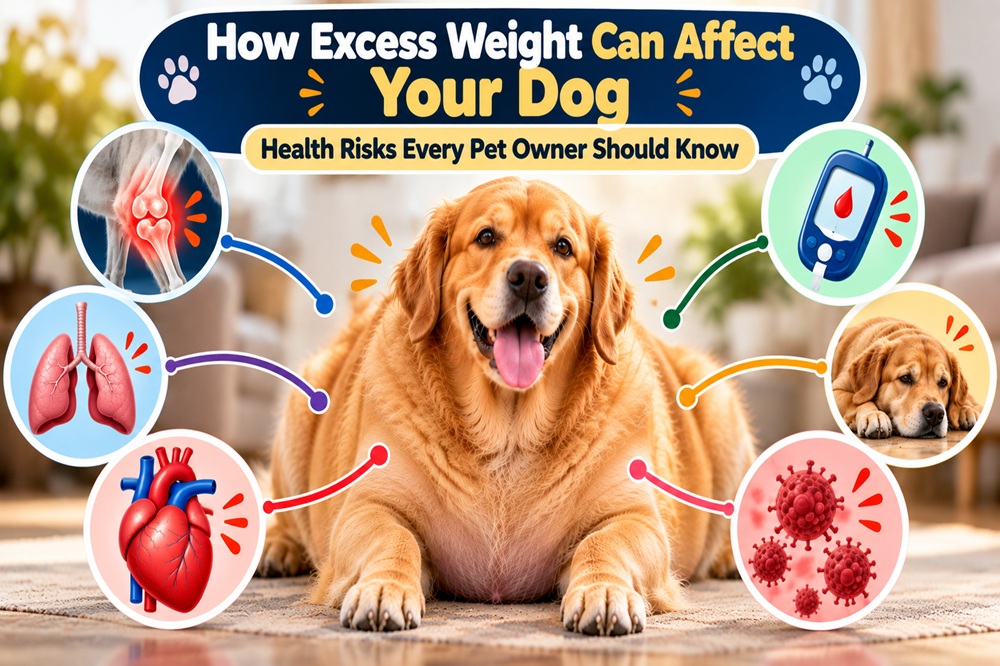
A little extra weight may seem harmless, but carrying excess body fat can affect many parts of your dog’s health. Overweight and obese dogs are at greater risk of joint problems, diabetes, breathing difficulties, heart-related problems, and other health conditions. Excess weight can also reduce your dog’s activity level and overall quality of life.
That is why maintaining a healthy weight is an important part of caring for an adult dog.
What Is Considered Excess Weight in Dogs?
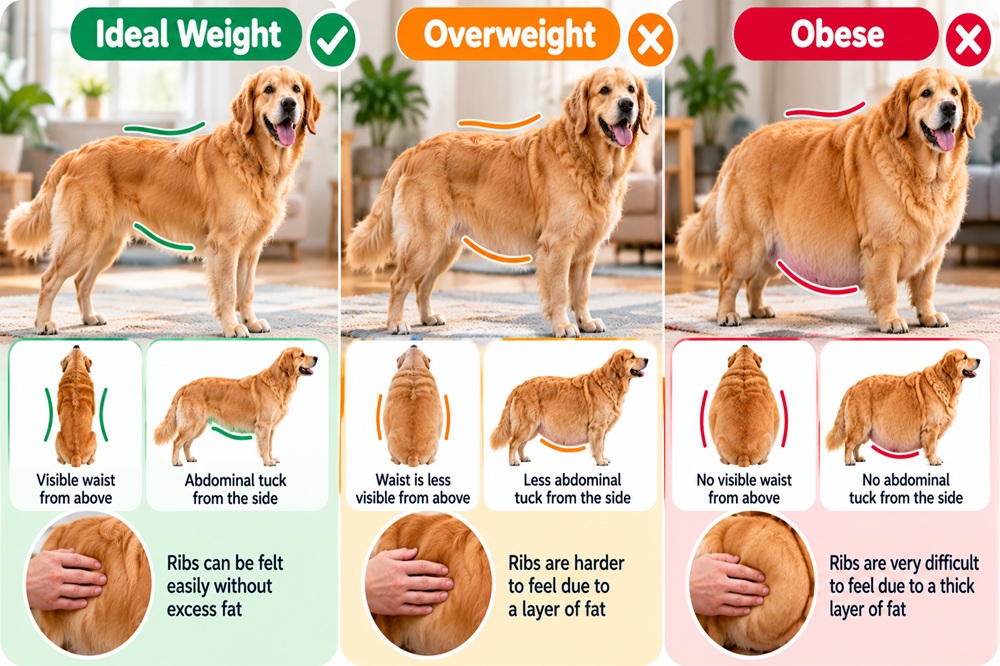
A dog is generally considered overweight when their body weight is above their ideal weight, but the number on the scale is not the only thing that matters.
Veterinarians often use a Body Condition Score (BCS) to assess whether a dog is too thin, at an ideal weight, or carrying excess body fat. An ideal dog should have ribs that can be felt without a thick layer of fat, a visible waist when viewed from above, and an abdominal tuck when viewed from the side.
If you are unsure about your dog’s body condition, your veterinarian can help determine their ideal weight and body condition score.
1. Extra Weight Can Put Stress on the Joints
One of the most noticeable effects of excess weight is the additional stress it places on your dog’s bones, joints, and muscles.
Over time, this extra pressure can contribute to joint damage and increase the risk or severity of osteoarthritis. Fat tissue can also release inflammatory substances that contribute to inflammation and joint pain.
You may notice signs such as:
- Difficulty getting up
- Walking more slowly
- Reluctance to climb stairs
- Less interest in playing
- Difficulty jumping onto furniture
- Stiffness after resting
- Reduced willingness to go for walks
This can create a cycle: excess weight makes movement uncomfortable, and less movement can make it easier for your dog to gain even more weight.
2. Your Dog May Become Less Active
Carrying extra weight can make everyday activities more tiring.
An overweight dog may become less interested in running, playing, walking, or interacting with the family. Reduced activity can lead to loss of muscle and make movement even more difficult.
This is one reason weight management should focus on both nutrition and safe physical activity, rather than simply trying to make a dog exercise more.
3. Excess Weight Can Affect Breathing
Extra body fat around the chest, abdomen, and upper airways can make breathing more difficult. Overweight dogs may also have reduced exercise tolerance and can struggle more in hot or humid conditions.
This can be especially important for dogs that already have breathing problems. For example, excess weight can worsen signs associated with brachycephalic airway problems in short-nosed breeds.
If your dog is having significant difficulty breathing, do not assume it is simply because they are overweight. Breathing problems can be an emergency and should be evaluated promptly by a veterinarian.
4. It Can Increase the Risk of Diabetes
Excess body fat can affect how the body responds to insulin and is associated with an increased risk of diabetes in dogs.
This does not mean every overweight dog will develop diabetes, but maintaining a healthy body condition can be an important part of reducing preventable health risks.
5. It Can Put More Strain on the Heart
Carrying excess weight can increase the workload on the cardiovascular system. Obesity is associated with heart-related problems and high blood pressure in dogs.
A dog that becomes easily tired during normal activity should not simply be assumed to be “lazy.” Reduced stamina can have several possible causes, including excess weight and underlying health problems.
6. Excess Weight Can Affect Your Dog’s Quality of Life
A healthy weight is not only about preventing disease. It also affects how comfortably your dog can live each day.
A dog at a healthy weight may find it easier to:
- Walk comfortably
- Play with the family
- Climb stairs
- Get up and lie down
- Groom themselves
- Move around the home
- Stay active throughout the day
Overweight dogs may become less energetic and interact less with their families.
7. Obesity Can Increase the Risk of Other Health Problems
Excess weight is associated with several health conditions, including osteoarthritis, diabetes, high blood pressure, heart disease, certain cancers, and complications related to anesthesia.
This is why obesity should be treated as a health issue rather than simply a cosmetic concern.
Why Does a Dog Gain Excess Weight?
Weight gain usually happens when a dog consistently takes in more calories than they use. Common contributors include:
- Feeding too much food
- Large or unmeasured portions
- Too many treats
- Table scraps
- Low physical activity
- High-calorie foods
- Reduced activity because of pain
- Certain medications
- Some medical conditions, such as hypothyroidism or Cushing’s disease
Sometimes weight gain is not simply a feeding problem. If your dog’s weight is increasing despite reasonable portions and normal activity, a veterinary check-up can help identify an underlying cause.
How Can You Help Your Dog Maintain a Healthy Weight?
The first step is to determine your dog’s ideal weight with your veterinarian.
Once you know the target, focus on consistent habits:
Measure Your Dog’s Food
Avoid guessing portions. Measuring your dog’s food can help prevent accidental overfeeding.
Keep Treats Under Control
Treats can add significant calories to your dog’s daily intake. Include treats when considering your dog’s overall daily food intake.
Encourage Safe Exercise
Regular walks and appropriate activities can help your dog maintain muscle and manage weight. However, overweight dogs should increase activity gradually, particularly if they have joint problems or have been inactive for a long time.
Monitor Weight Regularly
Regular weighing can help you notice gradual weight gain before it becomes a bigger problem.
Avoid Crash Diets
Do not drastically reduce your dog’s food without veterinary guidance. A weight-loss plan should provide adequate nutrition while helping your dog lose excess fat safely.
When Should You Talk to a Veterinarian?
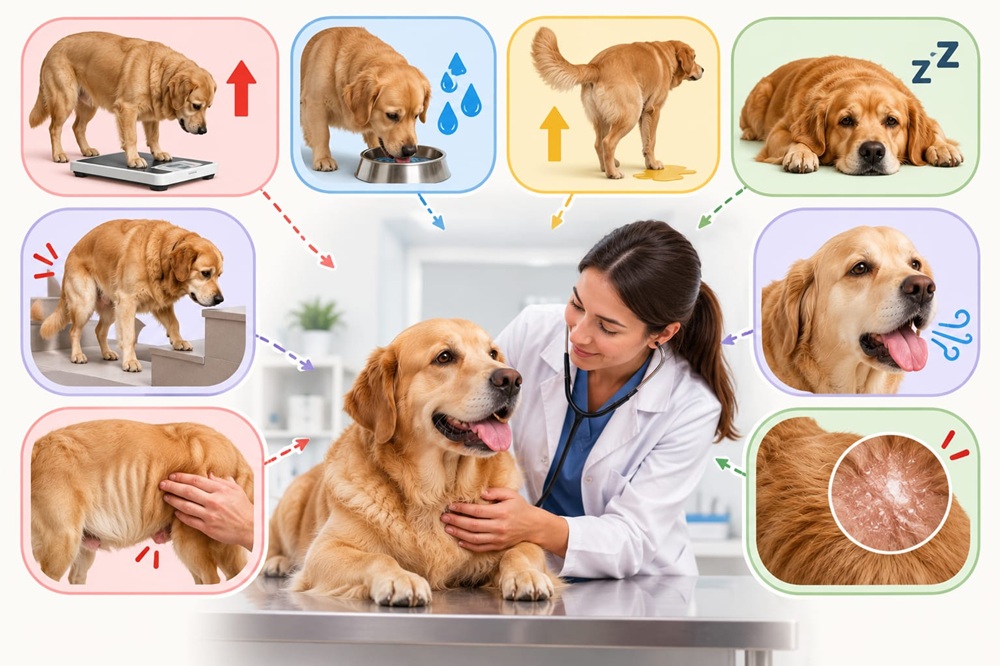
Speak with your veterinarian if:
- Your dog is gaining weight unexpectedly
- You cannot feel their ribs easily
- Their waist has disappeared
- They are becoming less active
- They have difficulty walking or getting up
- They pant excessively with mild activity
- They seem unusually tired
- Weight does not decrease despite appropriate feeding and activity
Your veterinarian can assess body condition, determine an appropriate target weight, and check whether a medical condition is contributing to the weight gain.
Final Thoughts
Excess weight is more than a number on the weighing scale. It can place extra stress on your dog’s joints, make movement and breathing more difficult, and increase the risk of several health problems. The good news is that weight management can make a meaningful difference to your dog’s health and everyday comfort.
At WhohPet, we believe that keeping your dog at a healthy weight is one of the simplest ways to support a longer, more active, and more comfortable life. Small changes in food portions, treats, exercise, and regular weight monitoring can make a big difference over time.
— Team WhohPet