The Pomeranian is a small, fluffy, and active dog that is loved by many people around the world. It may be a tiny dog, but it has a big personality. Pomeranians are playful, alert, smart, and often very attached to their owners.
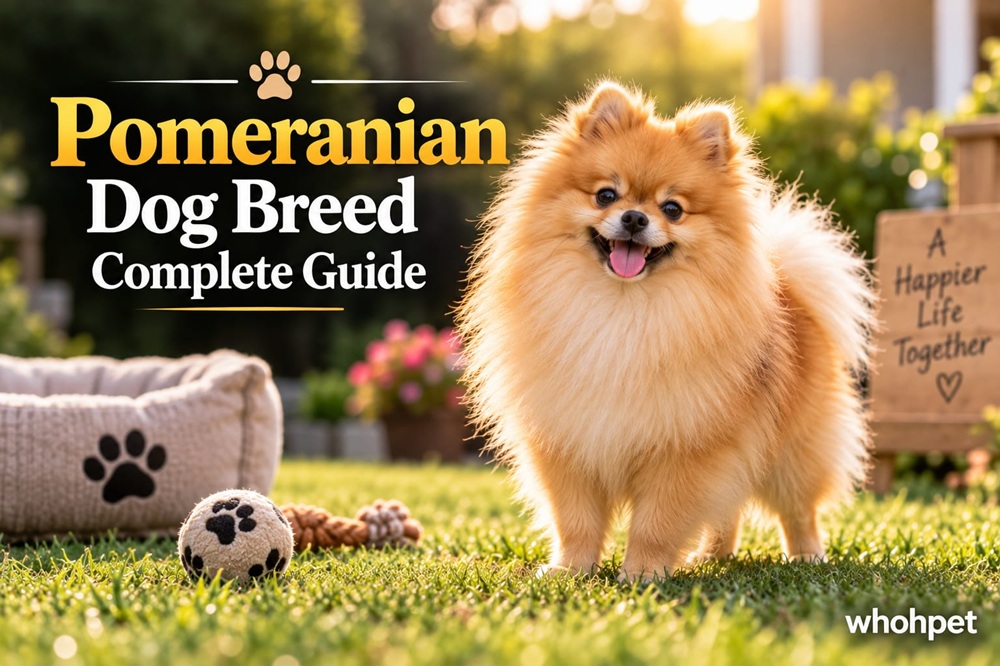
Their small size makes them suitable for many homes, including apartments. However, being small does not mean they need very little care. They need regular grooming, daily activity, good food, training, and plenty of attention.
If you are thinking about bringing a Pomeranian home, it is important to understand its personality, exercise needs, grooming, feeding, training, and common health concerns.
History and Origin
The Pomeranian belongs to the Spitz family of dogs. Its history is connected to a region called Pomerania, which was once located around parts of present-day Germany and Poland.
Early dogs related to the Pomeranian were much larger than the small dogs we see today. They were working dogs and were used for tasks such as pulling and guarding.
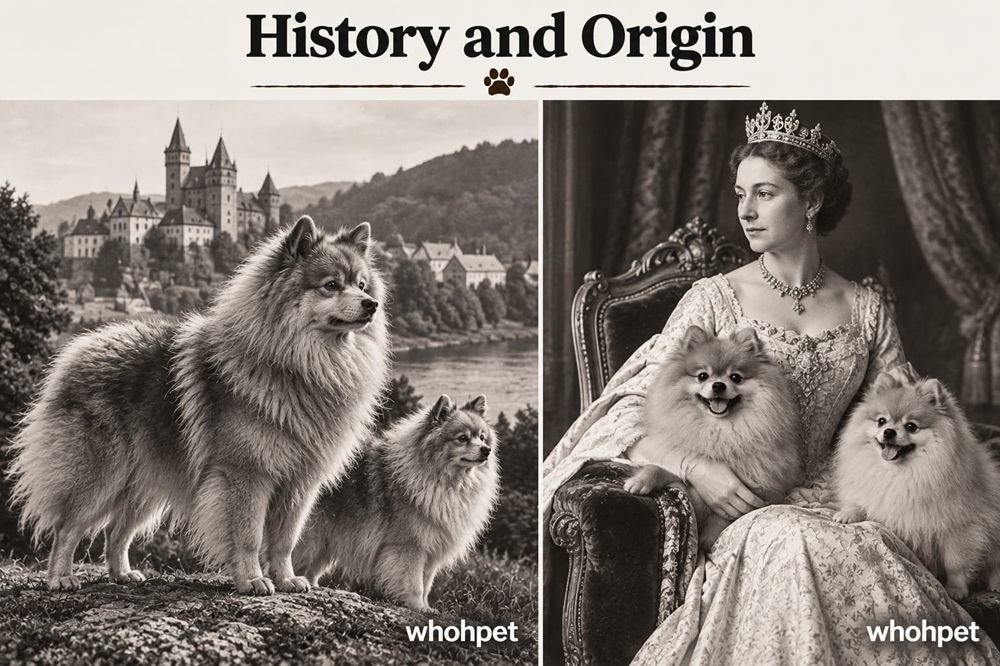
Over time, breeders developed smaller versions of these dogs. The Pomeranian became especially popular in Europe. Members of royal families also helped increase interest in the breed.
Today, the Pomeranian is known mainly as a companion dog. Its small body, thick coat, pointed ears, and lively personality make it easy to recognize.
Physical Appearance
The Pomeranian is a small dog with a thick double coat. It has a short body, small feet, a fluffy tail, and small pointed ears that usually stand upright.
Its face often looks alert and curious. The coat can come in many colors, including orange, cream, black, white, brown, and different combinations.
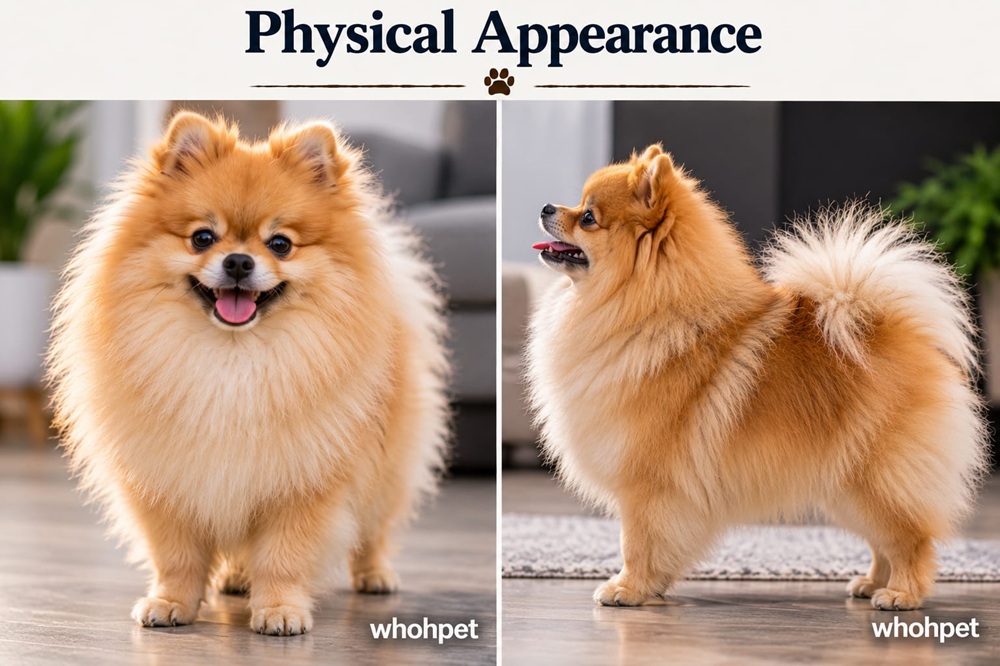
One of the most noticeable features is its fluffy coat around the neck and chest. This gives the Pomeranian a small lion-like appearance.
Although the breed is small, it usually has a confident body language. Owners should handle Pomeranians carefully because their small bones can be injured easily.
Personality and Temperament
Pomeranians are usually lively, confident, and affectionate. They often enjoy spending time with their owners and may follow them around the house.
They are also alert dogs. A Pomeranian may bark when it hears a strange sound or sees someone outside. Proper training can help control unnecessary barking.
Because they are smart, they can learn many commands and tricks. They often enjoy games that involve treats, toys, and attention.
Some Pomeranians can be shy around unfamiliar people or dogs. Early socialization can help them become more comfortable in different situations.
Despite their small size, they should not be treated like toys. They need proper training and gentle handling just like larger dogs.
Exercise Needs
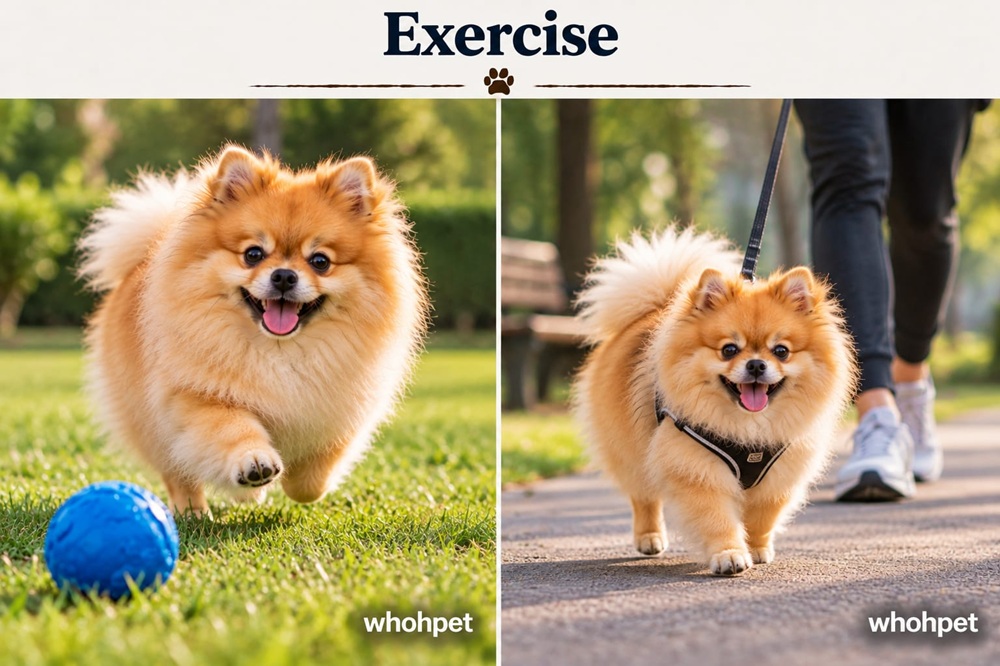
Pomeranians do not need the same amount of exercise as large working breeds, but they still need daily activity.
Short walks and indoor play can help keep them active. Playing with toys, learning tricks, and simple games can also give them mental stimulation.
Because of their small size, they can get tired more quickly than larger dogs. Exercise should be suitable for their age, health, and energy level.
During hot weather, avoid long outdoor activities during the hottest part of the day. Always provide fresh water and a cool place to rest.
Training

Training is important for a Pomeranian because its small size does not mean it cannot develop unwanted habits.
Start with basic commands such as sit, stay, come, down, and leave it. Short training sessions usually work well because young Pomeranians can lose focus if training continues for too long.
Positive training is a good approach. Praise, small treats, and play can encourage good behavior.
House training may take some patience. A regular toilet schedule can help the puppy understand where and when it should go.
Socialization is also important. Safely introduce your Pomeranian to different people, sounds, places, and friendly dogs from a young age.
Grooming
The Pomeranian has a thick double coat, so regular grooming is one of the most important parts of its care. Brushing several times a week can help remove loose hair and prevent the coat from becoming tangled. Some Pomeranians may need more frequent brushing, especially when they are shedding heavily.
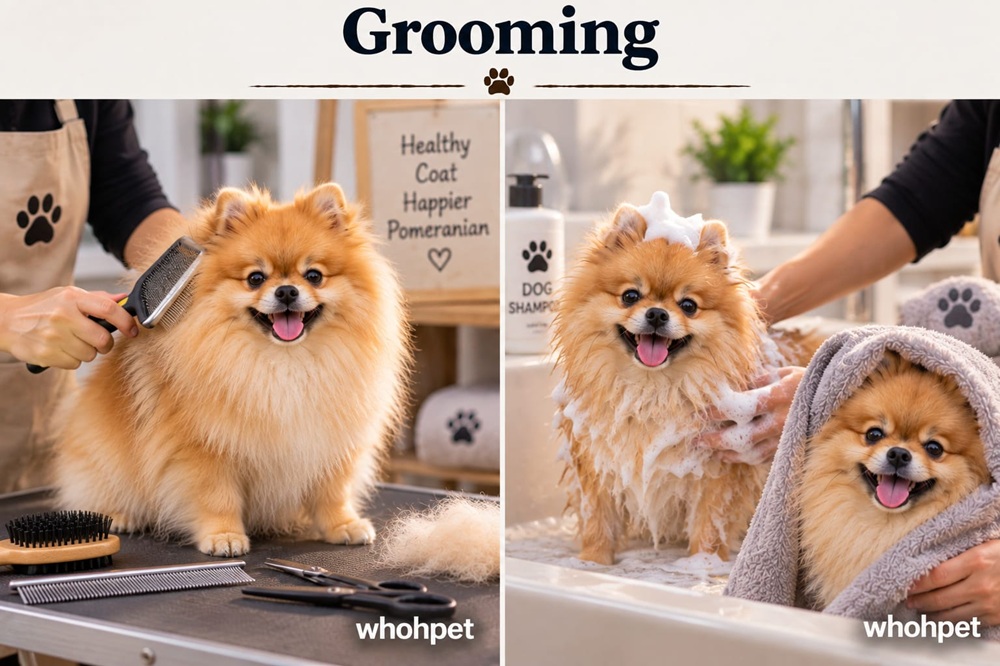
The fur around the ears, legs, chest, and back end should be checked regularly because these areas can develop knots.
Bathing should be done when needed using a suitable dog shampoo. After bathing, the coat should be dried properly.
Nails should also be trimmed regularly. Check the ears for dirt or unusual smell, and maintain regular dental care because small dogs can have dental problems.
Feeding
A Pomeranian needs a balanced diet that is suitable for its small size, age, and activity level.
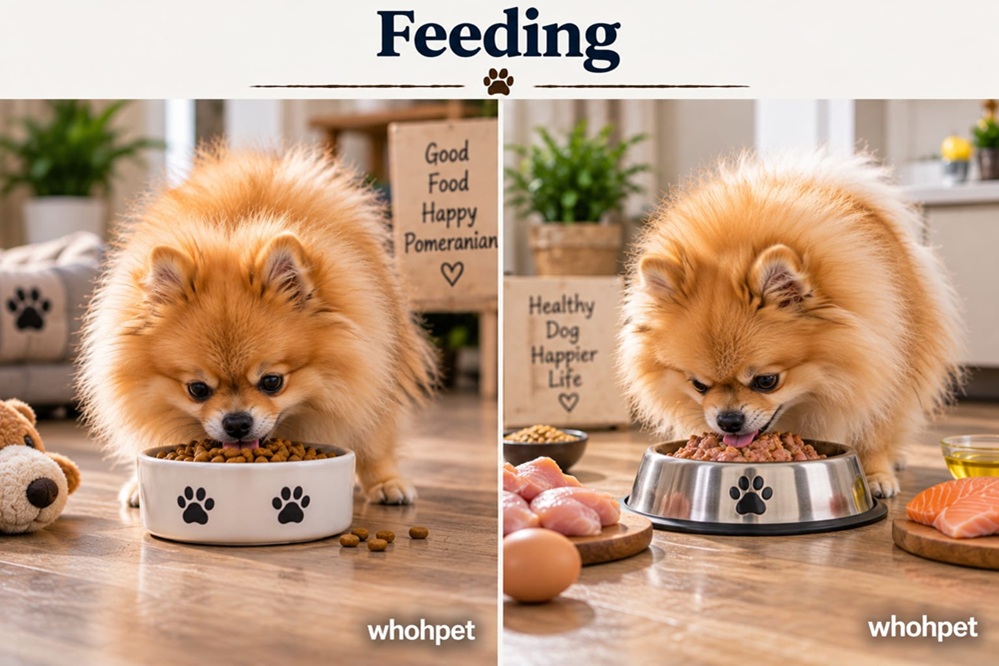
Puppies, adult dogs, and senior dogs can have different nutritional needs. Choose a good-quality dog food that provides the nutrients needed for healthy muscles, bones, skin, and coat.
Because Pomeranians are small, even a small amount of extra food can add up. Overfeeding can lead to weight gain, which may put extra stress on their small joints.
Treats can be used during training, but they should be given in moderation. Fresh drinking water should always be available.
Avoid giving your Pomeranian foods that are unsafe for dogs, such as chocolate, grapes, raisins, onions, garlic, and products containing xylitol.
Common Health Concerns
Pomeranians can live long lives, but like other breeds, they can develop certain health problems.
Some Pomeranians may have dental problems because their mouths are small. Regular dental care can help keep their teeth and gums healthier.

Joint and kneecap problems can also occur in some small dogs. Their small bones mean that falls from furniture or high places can sometimes cause injuries.
Some Pomeranians may also develop problems involving the windpipe, eyes, skin, or heart.
Not every Pomeranian will develop these conditions. Regular veterinary checkups can help detect problems early.
Keeping your dog at a healthy weight, providing suitable exercise, giving balanced food, and maintaining good grooming can all support its overall health.
Pomeranian and Children
Pomeranians can live with children, but extra care is needed because they are small and delicate.
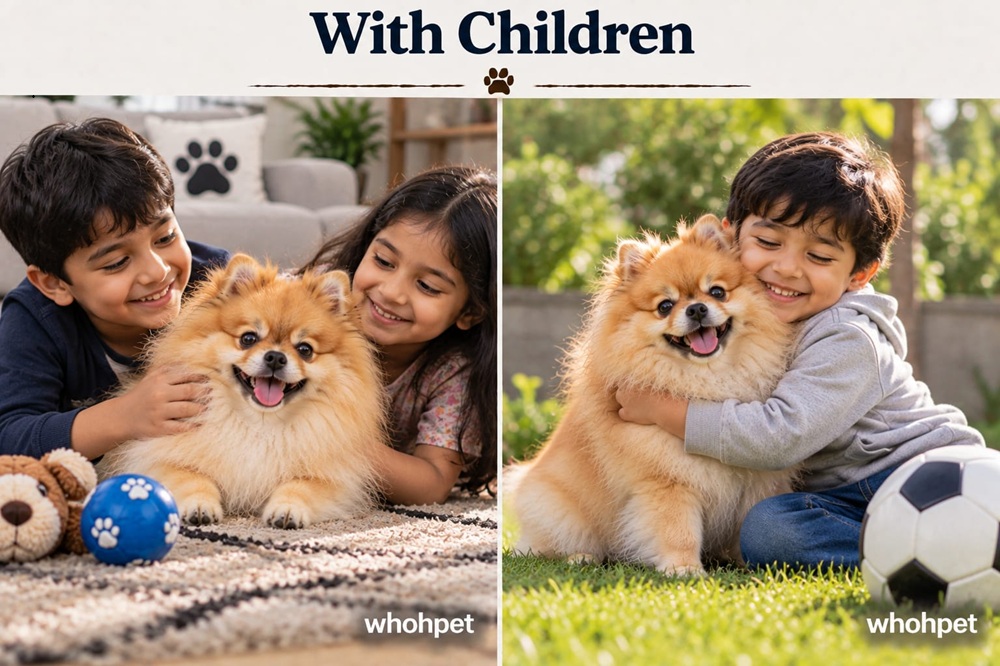
Young children should learn how to touch and hold the dog gently. Pulling the tail, ears, or fur can hurt the dog and may make it scared.
Because of their small size, Pomeranians can be injured if a child accidentally drops them or plays too roughly. Supervision is important when young children and small dogs are together.
Is Pomeranian Right for Your Family?
A Pomeranian can be a good companion for people who want a small, active, and affectionate dog.
It can adapt well to apartment living, but it still needs daily walks, play, training, and attention. Its thick coat also means that owners need to spend time on grooming.
If you want a dog that is quiet and needs almost no grooming, a Pomeranian may not be the easiest choice. It can also be quite vocal if barking is not managed through proper training.
For the right family, a Pomeranian can become a loving and entertaining companion. Its small size, playful nature, and strong bond with its owner can make it a special part of the home.
Final Thought by Whohpet
The Pomeranian may be a small dog, but it has plenty of energy and personality. It needs more than just a cute appearance. Good food, regular grooming, daily activity, training, health care, and love are all important for a happy life.
If you are ready to give a Pomeranian the care and attention it needs, this little dog can bring a lot of fun and companionship to your home.
— Final Thought by Whohpet