The Poodle is one of the most intelligent and versatile dog breeds in the world. Known for its distinctive curly coat, elegant appearance, and quick learning ability, the Poodle is much more than a stylish companion. Behind its sophisticated look is an active, athletic, and highly trainable dog that enjoys being involved in family life.
Poodles come in different sizes, making the breed suitable for a variety of homes and lifestyles. Whether you are looking for a lively family companion, an intelligent training partner, or a small dog with a big personality, the Poodle can be an excellent choice when its needs are properly understood.

History of the Poodle
Despite its strong association with France, the Poodle has roots connected to Germany, where early versions were developed as water-retrieving dogs.

The breed was valued for its ability to enter water and retrieve objects for hunters. Its curly coat provided some protection from cold water, while selective trimming could help the dog move more easily through the water while protecting important joints.
Over time, Poodles became increasingly popular in France and throughout Europe. Their intelligence, trainability, and attractive appearance allowed them to move beyond their original working role.
They eventually became popular performers, companions, and show dogs. Today, Poodles are found in homes around the world and continue to demonstrate the working ability that helped establish their reputation.
Poodle Sizes
One of the most interesting things about the Poodle is that it comes in three commonly recognized size varieties.

Standard Poodle:
The Standard Poodle is the largest variety. It is athletic, energetic, and capable of participating in activities such as obedience, agility, swimming, and other dog sports.
Miniature Poodle:
The Miniature Poodle offers many of the same characteristics in a smaller body. It can be energetic and enjoys mental stimulation, training, and interactive play.
Toy Poodle:
The Toy Poodle is the smallest variety. Its compact size makes it appealing to people living in smaller homes or apartments, but its small body does not mean it lacks personality or intelligence.
Regardless of size, Poodles generally need attention, interaction, and mental stimulation.
Appearance
The Poodle has a distinctive appearance that is immediately recognizable. Its body is generally athletic and well-proportioned, while its coat can be tightly curled or corded.
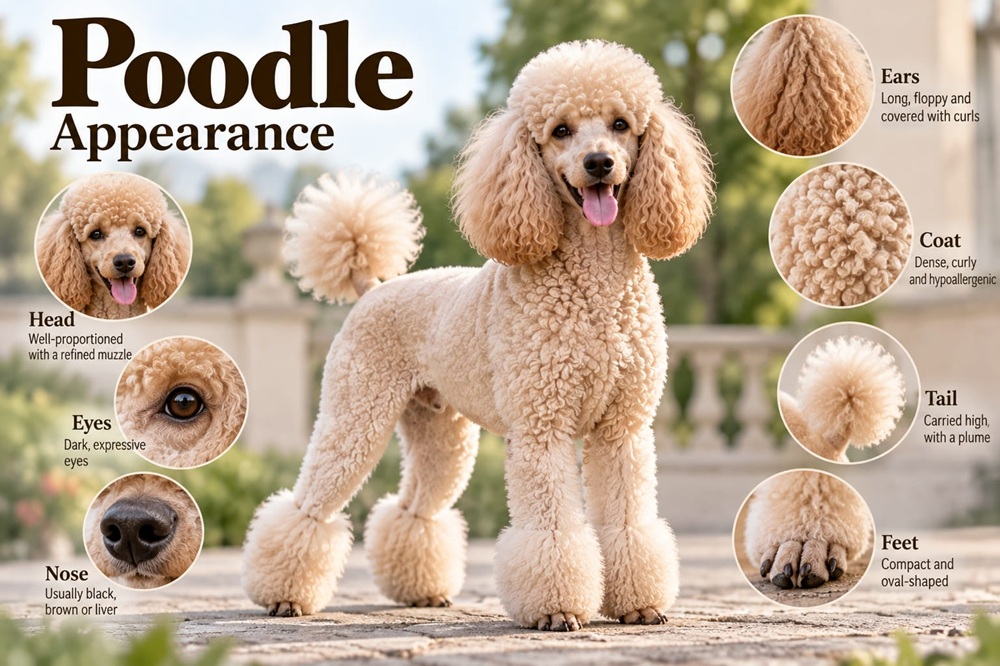
The coat comes in several colors, including black, white, brown, gray, apricot, and cream. Depending on the dog and breed standard, other recognized color patterns may also occur.
One of the most noticeable characteristics of the Poodle is its coat. Unlike many breeds that shed heavily, Poodles tend to shed relatively little loose hair. However, this does not mean they require little grooming.
Their continuously growing coat can become tangled or matted without regular maintenance.
Personality and Temperament
Poodles are famous for being intelligent, but intelligence is only one part of their personality.
Many Poodles are affectionate, alert, playful, and highly connected to their owners. They often enjoy learning new things and may become bored when their days lack activity.

Their intelligence can sometimes work both ways. A Poodle that receives consistent training can become exceptionally well-mannered, while one that is bored or lacks structure may invent its own activities.
Early socialization is important. Introducing a young Poodle to different people, environments, sounds, and appropriate dogs can help build confidence and good social behavior.
Although Poodles can be excellent companions, they should not be treated simply as decorative or lap dogs. They need interaction and opportunities to use their minds.
Training a Poodle
Training is one of the areas where the Poodle truly stands out.
Because Poodles are highly intelligent and generally eager to learn, they can pick up commands and routines quickly. Positive reinforcement, patience, consistency, and short engaging sessions can make training enjoyable for both dog and owner.
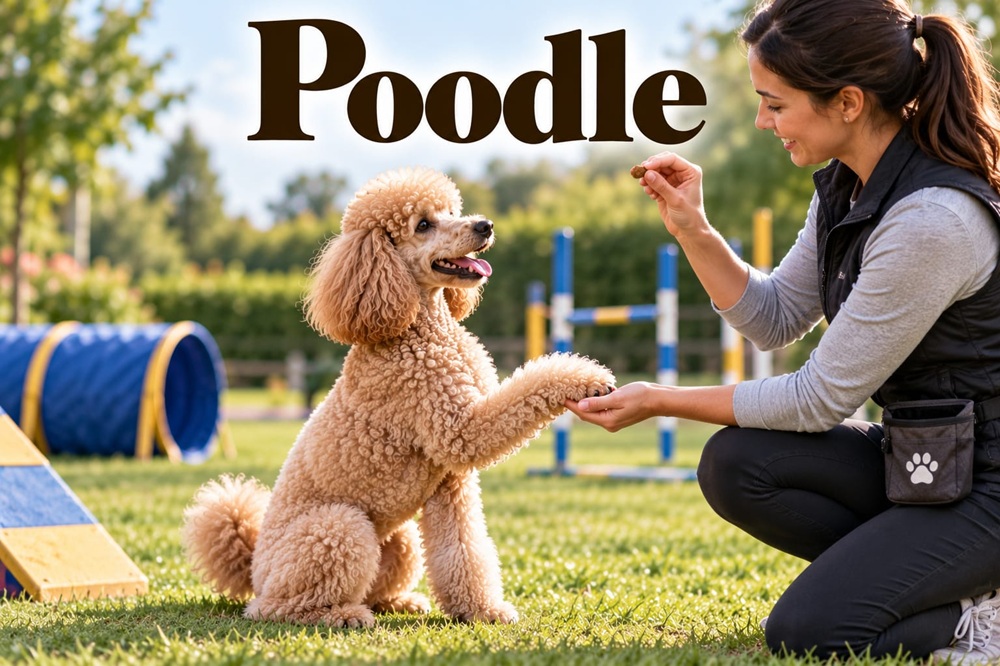
Basic obedience should include commands such as:
Sit
Stay
Come
Leave it
Down
Loose-leash walking
Poodles can also enjoy advanced activities such as agility, obedience competitions, trick training, scent games, and retrieving.
Mental stimulation is particularly important. Teaching a Poodle a new trick or giving it a puzzle activity can be just as rewarding as physical exercise.
Exercise Requirements
Poodles are active dogs and need regular exercise.
The amount of activity required depends on the dog’s size, age, health, and personality. Standard Poodles generally require more physical activity than Toy Poodles, but all varieties benefit from regular movement.
Daily walks can be combined with games, training sessions, retrieving, swimming, or supervised outdoor activities.
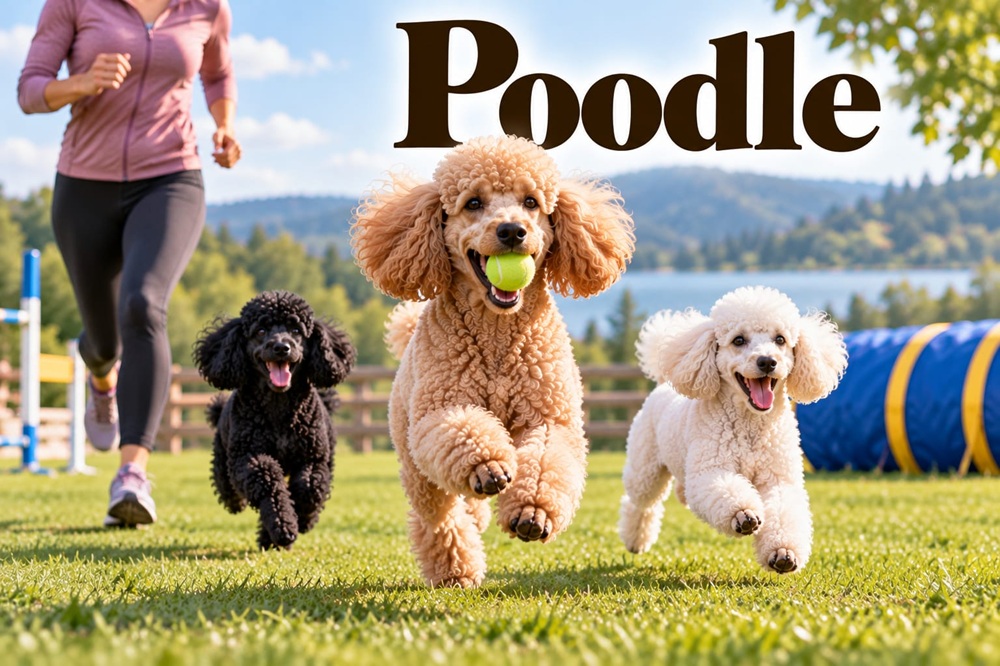
Mental exercise should also be part of their routine. Interactive toys, puzzle feeders, obedience exercises, and scent games can help keep an intelligent Poodle occupied.
A healthy balance between physical activity and mental stimulation can help reduce boredom-related behavior.
Feeding and Nutrition
A Poodle needs a balanced diet that matches its age, size, activity level, and individual health requirements.
Standard, Miniature, and Toy Poodles have different nutritional needs because of their differences in body size and energy requirements.

Portion control is important because excessive weight can place unnecessary stress on a dog’s joints and overall health.
Treats can be useful during training, but they should be included as part of the dog’s overall daily calorie intake.
Fresh water should always be available. Puppies, senior dogs, and Poodles with specific health concerns may have different dietary requirements, so owners should discuss those needs with a veterinarian.
Grooming a Poodle
Grooming is one of the biggest responsibilities of owning a Poodle.
The curly coat can continue growing and may easily develop tangles or mats if it is not brushed regularly. Depending on the coat length and lifestyle, professional grooming may be needed every few weeks.
Routine grooming can include:
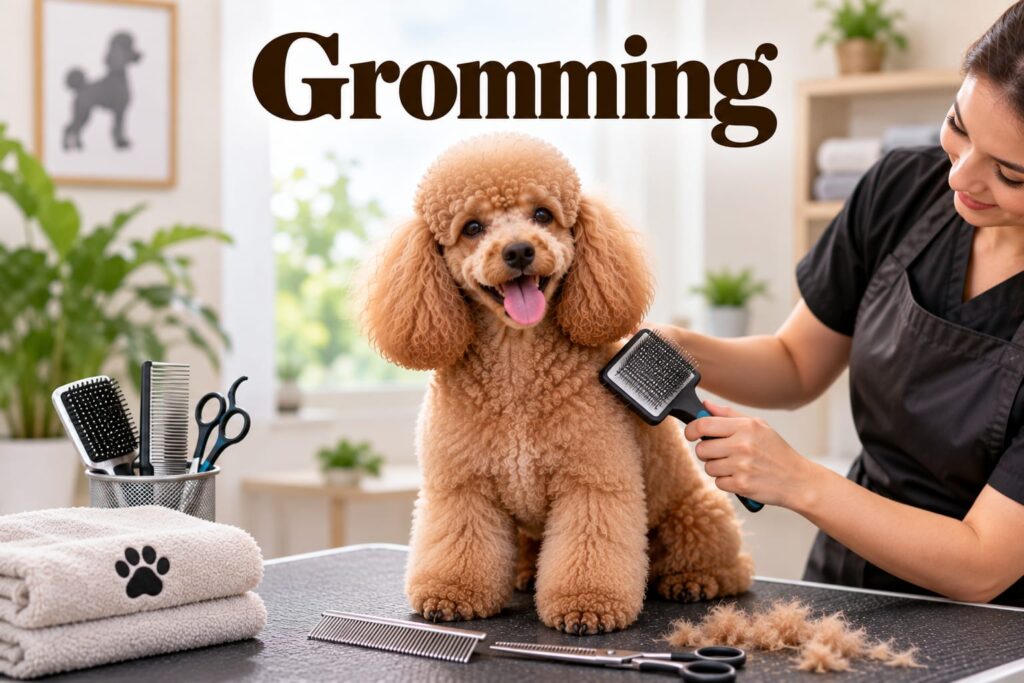
Regular brushing
Professional coat trimming
Nail care
Ear cleaning
Dental care
Bathing when needed
Starting grooming routines when the dog is young can help it become comfortable with brushing, bathing, and handling.
Common Health Concerns
Poodles can live long lives, but like all breeds, they can be predisposed to certain health conditions.
Potential concerns can vary depending on the size variety and individual genetics. Some Poodles may experience eye problems, joint issues, dental problems, skin conditions, or certain inherited disorders.
Toy and Miniature Poodles can also be prone to dental issues because of their smaller mouths.

Regular veterinary examinations, appropriate nutrition, maintaining a healthy weight, dental care, and responsible breeding practices can all contribute to better long-term health.
Anyone purchasing a Poodle puppy should choose a responsible breeder who prioritizes health and temperament rather than appearance alone.
Is a Poodle Good for Families?
A Poodle can be an excellent family companion when its physical and mental needs are met.
Standard Poodles can be especially suitable for active families who enjoy outdoor activities and training. Miniature and Toy Poodles can work well in smaller living environments, provided they receive sufficient exercise and attention.

Families should also consider the dog’s size when choosing a variety. Toy Poodles are small and can be more vulnerable to accidental injury, particularly around very young children.
Children should always be taught to handle dogs gently, and interactions between young children and dogs should be supervised.
Poodle vs Other Dog Breeds
The Poodle’s combination of intelligence, trainability, athletic ability, and low-shedding coat makes it different from many other breeds.

Compared with some highly independent breeds, Poodles often enjoy working closely with their owners. Compared with many heavy-shedding breeds, their coat may produce less loose hair around the home, although the trade-off is considerably more grooming.
Their versatility is another major advantage. A Poodle can enjoy relaxed family life while also participating in demanding training and sporting activities.
Final Thoughts
The Poodle is an intelligent and adaptable breed with far more depth than its elegant appearance suggests. Its history as a working water dog, impressive learning ability, athletic nature, and affectionate personality have helped make it one of the world’s most recognizable breeds.

However, owning a Poodle comes with responsibilities. Regular grooming, daily activity, mental stimulation, training, and proper nutrition are essential for keeping this breed happy and healthy.
Whether you choose a Standard, Miniature, or Toy Poodle, the best relationship comes from understanding what the dog needs rather than focusing only on its appearance.
With the right care and plenty of companionship, a Poodle can become an energetic playmate, an intelligent training partner, and a deeply devoted member of the family.