The Pug is a small dog with a big personality. With its round eyes, wrinkled face, short muzzle, and curled tail, this breed has an appearance that is easy to recognize. But the real charm of a Pug comes from its behavior. Pugs often enjoy being close to their people and can turn ordinary moments at home into entertaining ones.
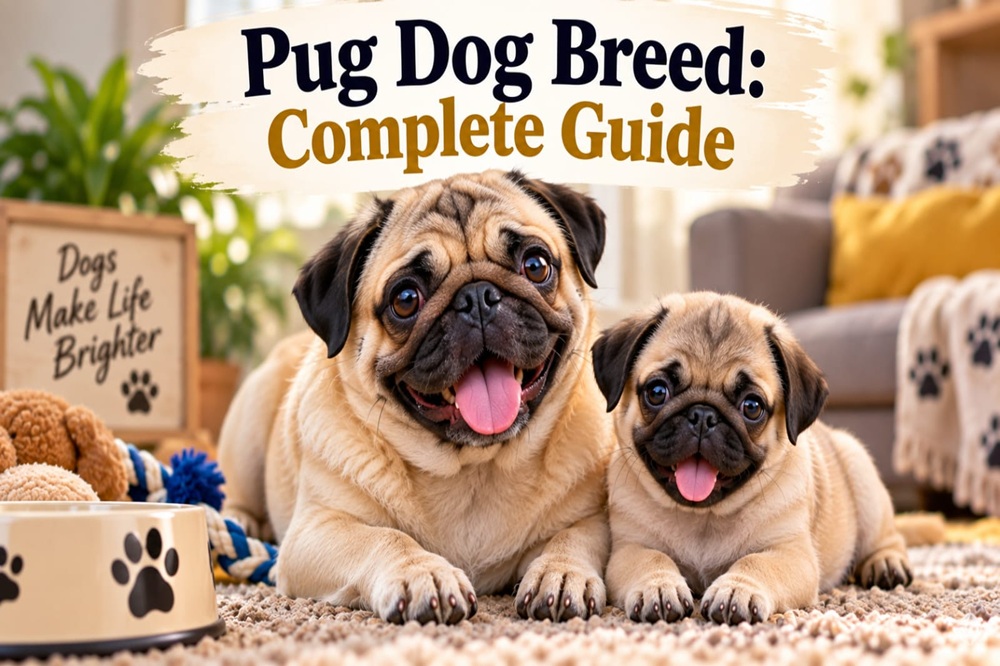
They are generally suited to indoor living and do not need the same level of exercise as highly energetic working breeds. However, their compact body and short muzzle mean that owners need to pay special attention to exercise, heat, weight, and overall health.
History of the Pug
The Pug has a long history as a companion dog. Its early development is associated with ancient China, where small companion dogs were valued by members of the imperial court and wealthy households.

Over time, Pugs traveled beyond China and became popular in different parts of Europe. Their small size and affectionate nature helped them become favored household companions.
Unlike breeds created primarily for herding, hunting, or guarding, the Pug’s main role has traditionally been companionship. This history helps explain why many Pugs are happiest when they are included in everyday family life.
Physical Appearance
The Pug has a compact, sturdy body and a distinctive flat-looking face. Its large, expressive eyes and deep facial wrinkles give it a unique appearance, while its small ears sit close to the head.
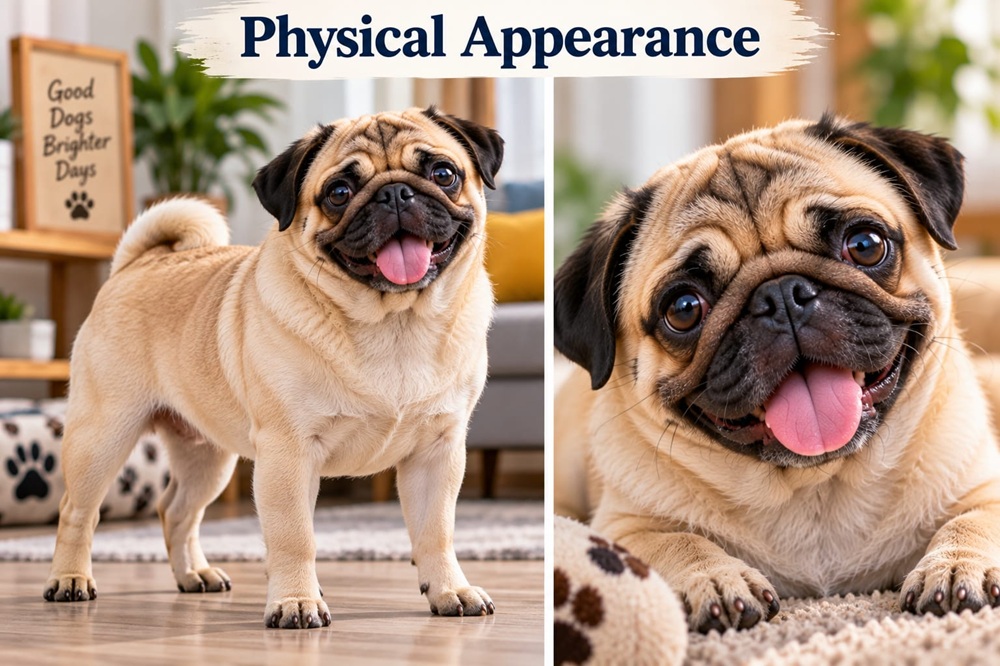
The coat is short, smooth, and relatively easy to maintain. Common coat colors include fawn and black, with individual dogs showing differences in facial markings and shading.
One of the breed’s most recognizable features is its tightly curled tail. A healthy Pug should have a balanced body rather than excessive weight, as carrying extra weight can place additional strain on its joints and breathing.
Personality and Temperament
Pugs are often affectionate, playful, social, and people-oriented. Many enjoy following their owners from room to room and simply being part of whatever the family is doing.
Their playful side can make them entertaining companions, while their affectionate nature makes them popular with people looking for a close household pet.
A Pug can also have a stubborn streak. If training feels repetitive or boring, it may decide that something else is more interesting. Short, positive training sessions usually work better than long sessions filled with repetition.
Early socialization can help a young Pug become comfortable around different people, friendly dogs, sounds, and environments.
Exercise Needs
Pugs need regular movement, but they are not built for intense endurance activities. Short walks, gentle games, indoor play, and supervised outdoor activities can provide useful exercise.
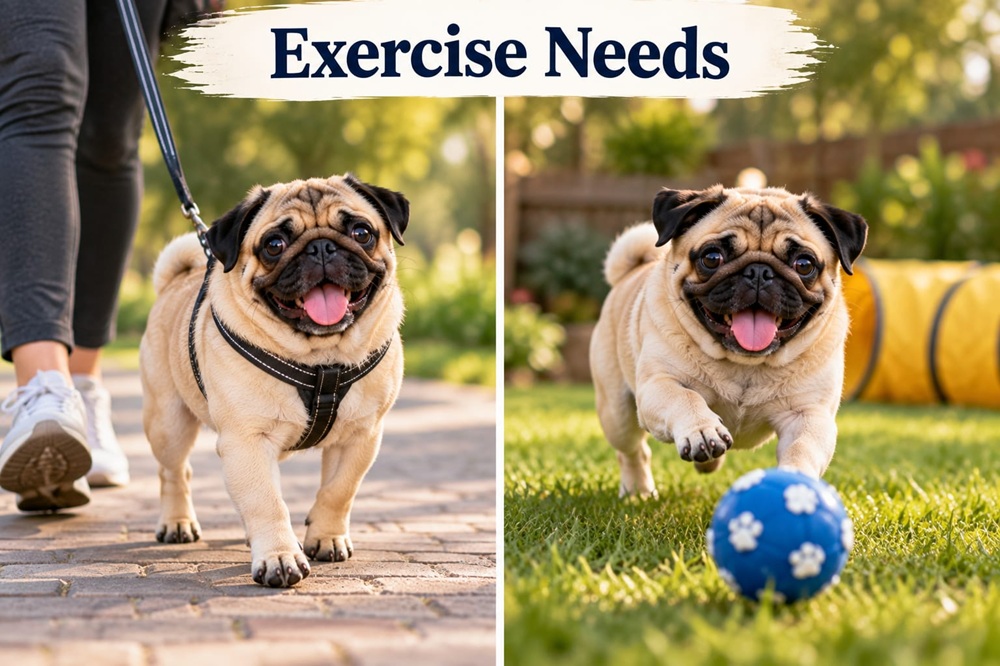
Because of their short muzzle and compact build, Pugs can struggle more than many other breeds during hot or humid weather. Exercise should therefore be adjusted according to temperature and the individual dog’s condition.
Instead of trying to make a Pug exercise for long periods, owners can provide several short activity sessions throughout the day. Mental games can also keep the dog engaged without putting excessive physical pressure on it.
Training a Pug
Training a Pug requires patience and consistency. They can learn basic commands, household rules, tricks, and useful behaviors, but motivation matters.
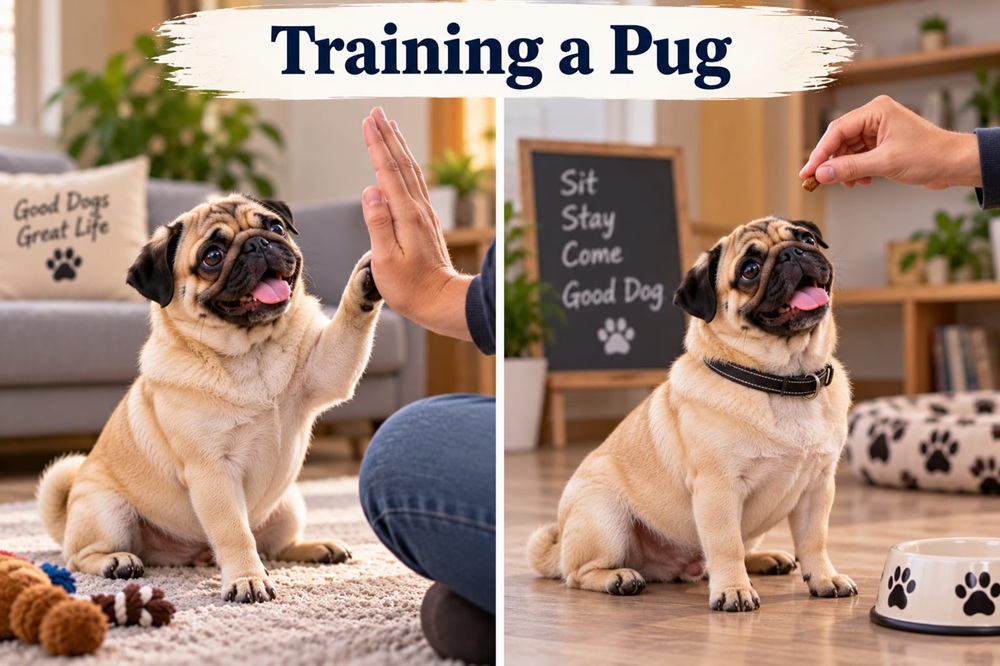
Reward-based training can make lessons more enjoyable. Small rewards, praise, toys, and enthusiastic encouragement can help maintain interest.
House training should begin early, with a predictable routine and plenty of consistency. Owners should avoid harsh punishment because it can make training stressful and may damage the dog’s trust.
Teaching commands such as sit, stay, come, leave it, and walking politely on a leash can make daily life easier and safer.
Grooming and Coat Care
The Pug’s short coat may look simple to maintain, but these dogs can shed more than new owners expect. Regular brushing can help remove loose hair and keep the coat cleaner.
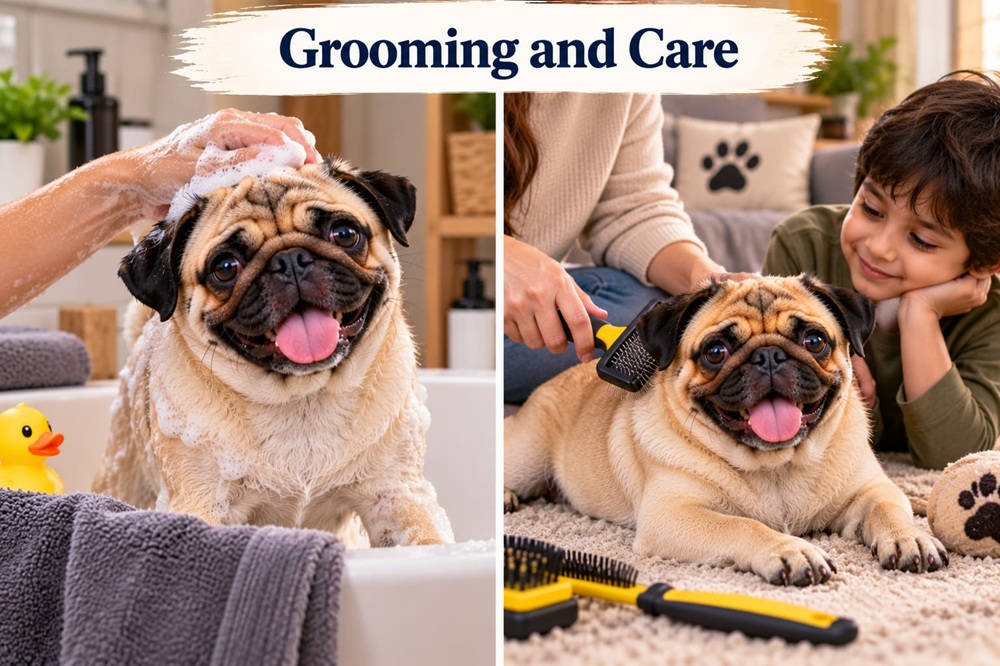
The facial wrinkles require particular attention. Moisture and dirt can collect inside skin folds, so owners should keep them clean and dry according to veterinary grooming advice.
Nails should be trimmed when necessary, while ears should be checked regularly. Dental care is also important because small breeds can be prone to dental problems.
Starting grooming routines when a Pug is young can help it become comfortable with handling.
Feeding and Nutrition
A balanced diet is essential for maintaining a healthy Pug. Because the breed is small and can be prone to weight gain, portion control is especially important.

Treats should be included within the dog’s overall daily food intake rather than being added without consideration. Regularly checking body condition can help owners notice gradual weight gain before it becomes a larger problem.
Puppies, adults, and senior Pugs have different nutritional needs, so food should be selected according to life stage and individual requirements.
Fresh drinking water should always be available. If a Pug develops persistent digestive problems, changes in appetite, or unusual weight changes, a veterinarian can help determine the cause and recommend an appropriate diet.
Common Health Concerns
Pugs have several physical characteristics that require responsible care. Their short muzzle can be associated with breathing difficulties, particularly when they become overheated or overweight.
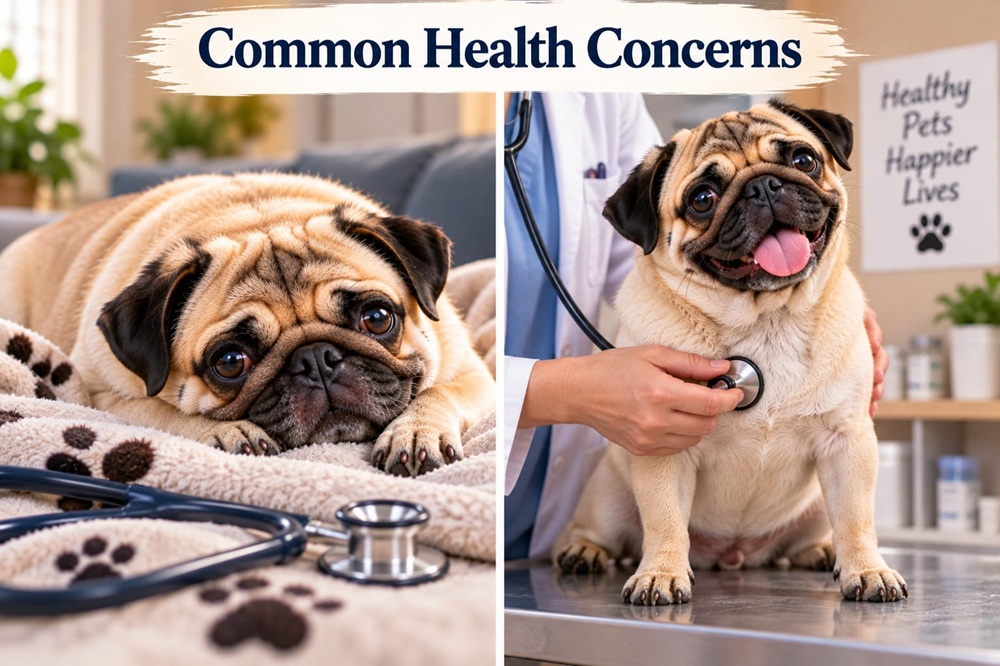
Their prominent eyes can also require careful attention because they may be more exposed to injury. Skin-fold irritation and ear problems can occur as well.
Joint problems and obesity are other concerns that owners should keep in mind. Maintaining a healthy weight can reduce unnecessary stress on the body.
Regular veterinary examinations are useful for detecting problems early. Any significant change in breathing, activity, appetite, vision, or general behavior deserves attention.
Pug and Hot Weather
Hot weather deserves special consideration when caring for a Pug. Their short muzzle can make it harder to cool themselves efficiently compared with many dogs with longer noses.
During hot conditions, walks are better planned for cooler parts of the day. Avoid strenuous outdoor activity during periods of strong heat, and provide a cool indoor environment and plenty of fresh water.
Never assume that a Pug will stop exercising when it becomes too hot. Owners should actively manage its activity and watch for signs of overheating such as heavy breathing, weakness, confusion, or collapse.
Living With a Pug
A Pug can fit comfortably into many homes because it does not require a huge amount of outdoor space. It can enjoy apartment living as long as it receives appropriate exercise, attention, training, and enrichment.
These dogs often prefer staying close to their families rather than spending long periods alone. Their social nature makes companionship an important part of their daily routine.
Pugs can also be amusing household companions. A simple toy, a short game, or time relaxing beside their owner can become a satisfying part of their day.
Is a Pug Right for Your Family?
A Pug may suit a family that wants a small companion dog with an affectionate and entertaining personality. It can work well for households that enjoy spending time indoors and prefer moderate exercise rather than long athletic activities.
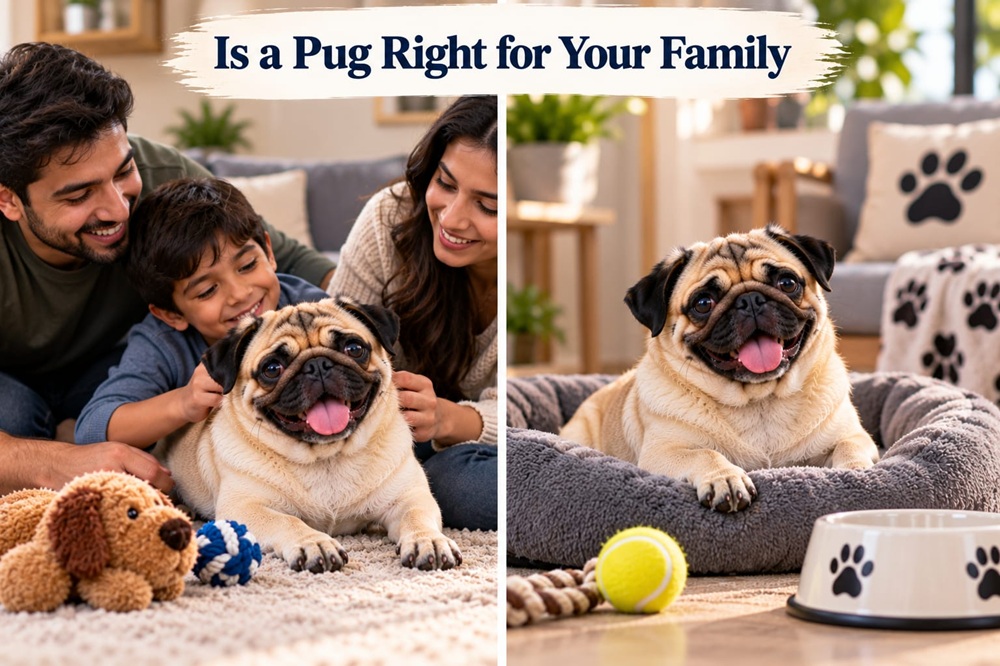
However, potential owners should be prepared for the breed’s specific care requirements. Heat management, weight control, facial-fold care, dental hygiene, and regular veterinary attention are important responsibilities.
Before bringing a Pug home, consider your daily routine, how much time you can spend with the dog, your ability to manage its health needs, and whether everyone in the household understands how to care for a short-muzzled breed.
Final Thoughts by Whohpet
The Pug may be small in size, but its personality can fill an entire home. Its affectionate nature, playful behavior, expressive face, and love of companionship make it a memorable family dog.
At Whohpet, we believe choosing a dog is about understanding its needs rather than choosing a breed simply because it looks cute. A Pug needs thoughtful care, responsible feeding, sensible exercise, protection from excessive heat, regular grooming, and plenty of companionship.
If your family is looking for a small indoor companion and is ready to give special attention to the Pug’s health and comfort, this little dog can become a loving and entertaining part of everyday family life. 🐾