The Shih Tzu is a small companion dog known for its long, flowing coat, expressive eyes, affectionate personality, and charming confidence. Originally developed as a companion dog, the breed generally enjoys being close to people and can adapt well to apartment living as long as it receives attention, basic exercise, and regular care.
Despite its small size and adorable appearance, the Shih Tzu is not simply a decorative lap dog. It can be playful, surprisingly independent, and occasionally stubborn. With the right training and consistent care, however, it can become a loving and entertaining member of the family.
History of the Shih Tzu
The Shih Tzu has a long history associated with China and Tibet. Its ancestry is believed to include small companion dogs from the region, and the breed became particularly valued by Chinese royalty and aristocratic households.
The name Shih Tzu is commonly translated as “lion dog,” reflecting the breed’s traditional association with the lion-like appearance found in Chinese art and culture.
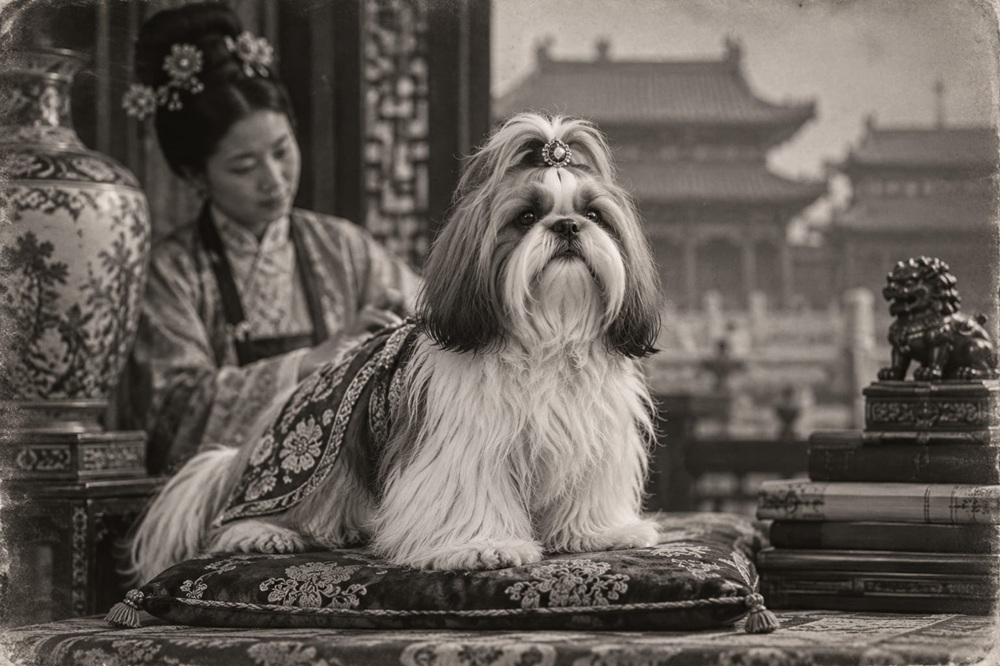
Unlike many working breeds, the Shih Tzu was primarily developed for companionship. This history helps explain why the breed often prefers being around its family rather than spending long periods alone.
Physical Appearance
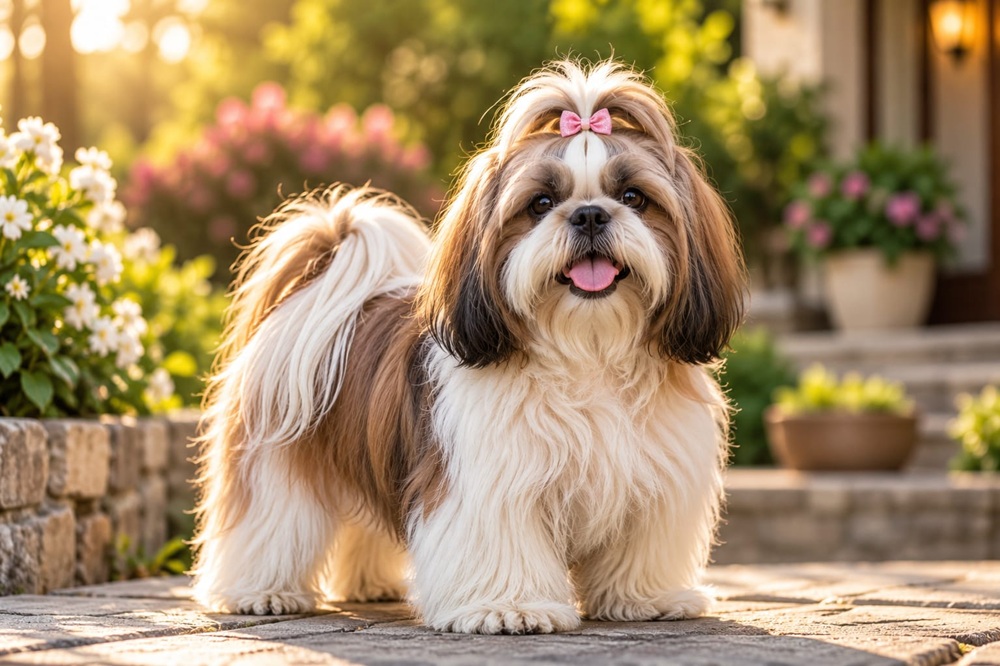
Shih Tzus are small but sturdy dogs with a distinctive appearance. They typically have a broad, rounded head, large dark eyes, a short muzzle, floppy ears, and a tail carried over the back.
Their most noticeable feature is their luxurious double coat. The hair can grow quite long and comes in many colors and combinations, including white, black, gold, brown, and various mixed patterns.
An adult Shih Tzu generally stands around 8–11 inches (20–28 cm) at the shoulder and commonly weighs about 9–16 pounds.Their compact size makes them convenient for smaller homes, but their coat means they require considerably more grooming than their size might suggest.
Personality and Temperament
Shih Tzus are usually affectionate, social, and people-oriented. Many enjoy sitting beside their owners, following family members around the house, and participating in everyday activities.
They can also have an independent streak. A Shih Tzu may understand what you want but decide that it has a better idea. This is one reason training works best when it is positive, patient, and consistent.
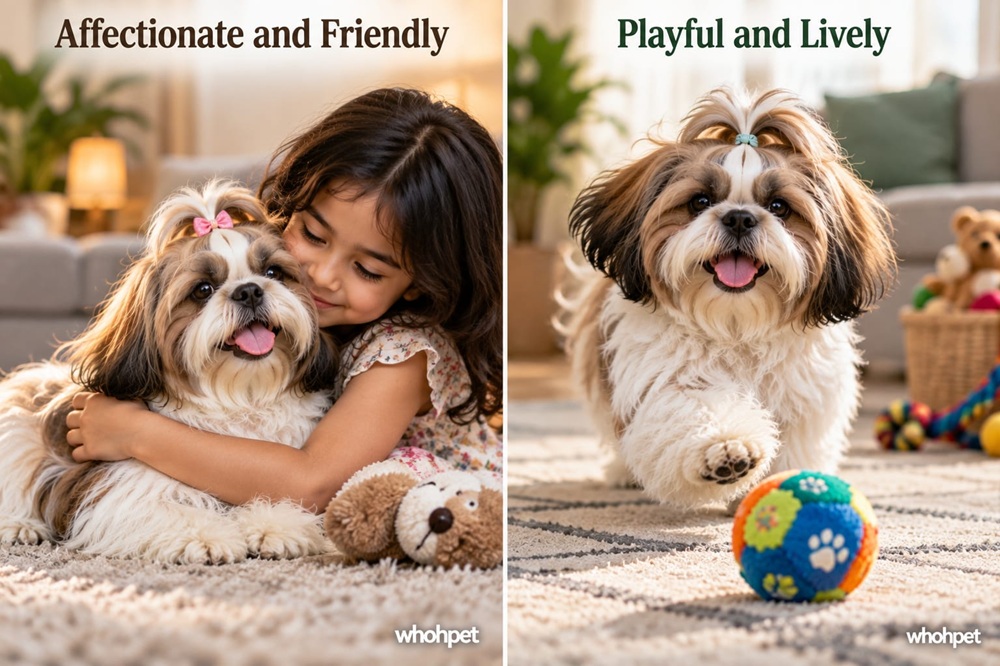
They are often playful without being excessively energetic. Some are friendly with strangers, while others may take a little time to become comfortable with unfamiliar people.
Early socialization is useful because it helps a Shih Tzu become more confident around visitors, children, other dogs, and new environments.
Exercise Needs
The Shih Tzu does not require the intense exercise associated with larger working breeds. Short daily walks combined with indoor play are often enough for a healthy adult.
Mental stimulation is also important. Simple games, interactive toys, short training sessions, and supervised exploration can prevent boredom.
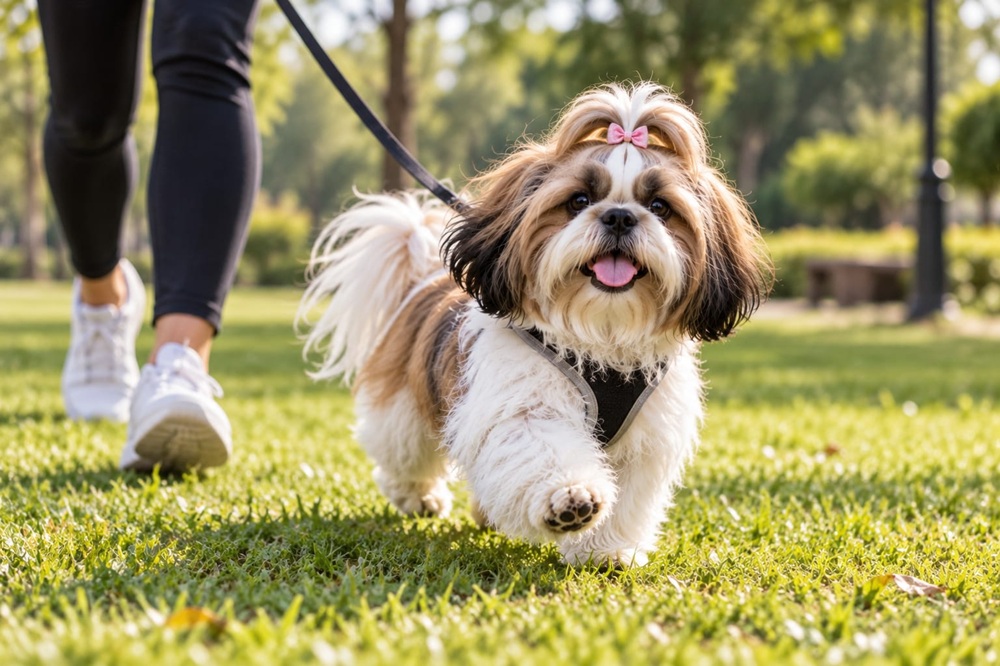
Because of its short muzzle, a Shih Tzu may have difficulty tolerating strenuous exercise, particularly in hot or humid weather. Exercise should therefore be adjusted according to temperature, age, fitness, and the individual dog’s breathing ability.
Training a Shih Tzu
Training a Shih Tzu can be rewarding, but patience is essential. Harsh corrections can make the dog fearful or resistant, while rewards and encouragement can make learning more enjoyable.
Start with basic commands such as sit, stay, come, leave it, and down. Keep sessions short and interesting rather than repeating the same exercise for too long.
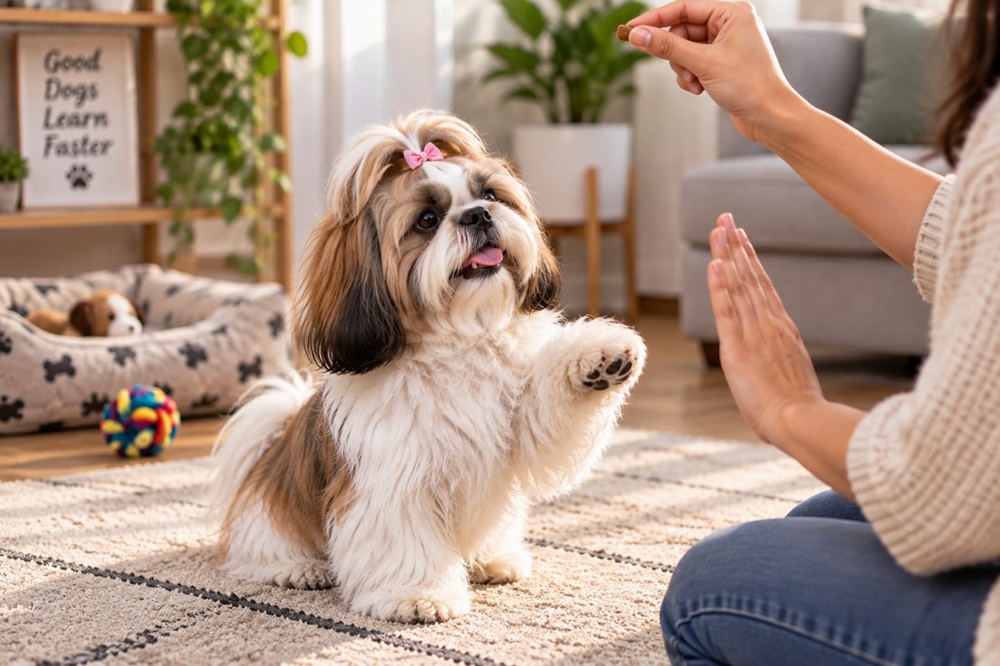
House training can sometimes take patience with this breed. Establishing a predictable routine for meals, bathroom breaks, sleep, and play can make the process easier.
Grooming and Coat Care
Grooming is one of the biggest responsibilities of owning a Shih Tzu. Its long coat can become tangled and matted if it is not brushed regularly.
Owners who keep the coat long may need frequent brushing, while a shorter “puppy cut” can make everyday maintenance easier.
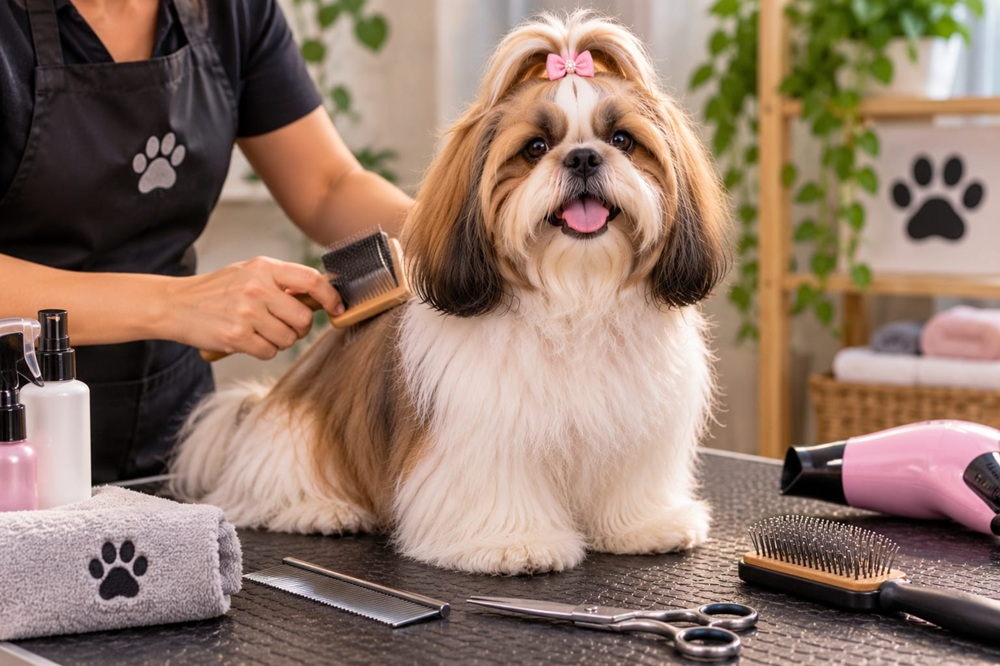
The area around the eyes should also be kept clean because tear staining and debris can accumulate around the face. Regular nail trimming, ear care, and dental care should also be part of the grooming routine.
Professional grooming can be helpful, especially for owners who prefer maintaining a longer coat.
Feeding and Nutrition
A Shih Tzu needs a balanced diet appropriate for its age, size, activity level, and individual health needs. Because this is a small breed, portion control matters. Overfeeding can quickly lead to excess weight.
Treats can be useful during training but should remain a limited part of the overall diet. Fresh water should always be available.
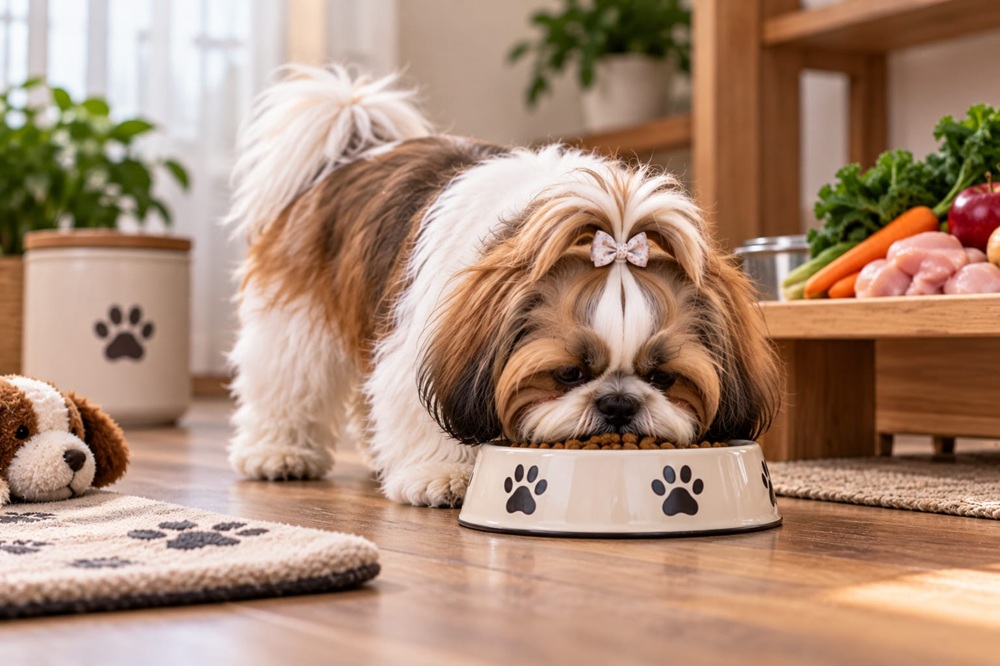
If your Shih Tzu has allergies, digestive problems, dental issues, or another health concern, its diet should be discussed with a veterinarian rather than changed randomly.
Common Health Concerns
Like all breeds, Shih Tzus can be susceptible to certain health problems. Their short facial structure can contribute to breathing difficulties, particularly in hot weather or during strenuous activity.
Eye problems can also occur because their prominent eyes are more exposed to irritation and injury.

Dental disease is another concern because small dogs can develop significant plaque and tartar buildup.
Other potential concerns include allergies, ear problems, patellar luxation, and certain hereditary conditions.
Regular veterinary examinations can help identify problems early. Owners should pay attention to changes in breathing, appetite, energy, eye appearance, skin, or behavior
Shih Tzu and Hot Weather
Hot weather deserves special attention. A Shih Tzu’s short muzzle can make cooling itself less efficient than dogs with longer noses.
Avoid strenuous outdoor activity during the hottest part of the day. Walk during cooler periods, provide access to fresh water and shade, and never leave the dog inside a parked car.
If a Shih Tzu develops heavy or unusual panting, weakness, confusion, excessive drooling, vomiting, or collapse in hot conditions, treat it as an emergency and seek veterinary help immediately.
Living With a Shih Tzu
Shih Tzus generally adapt well to apartments, houses, and smaller living spaces. They do not need a huge yard as long as they receive appropriate daily activity and interaction.
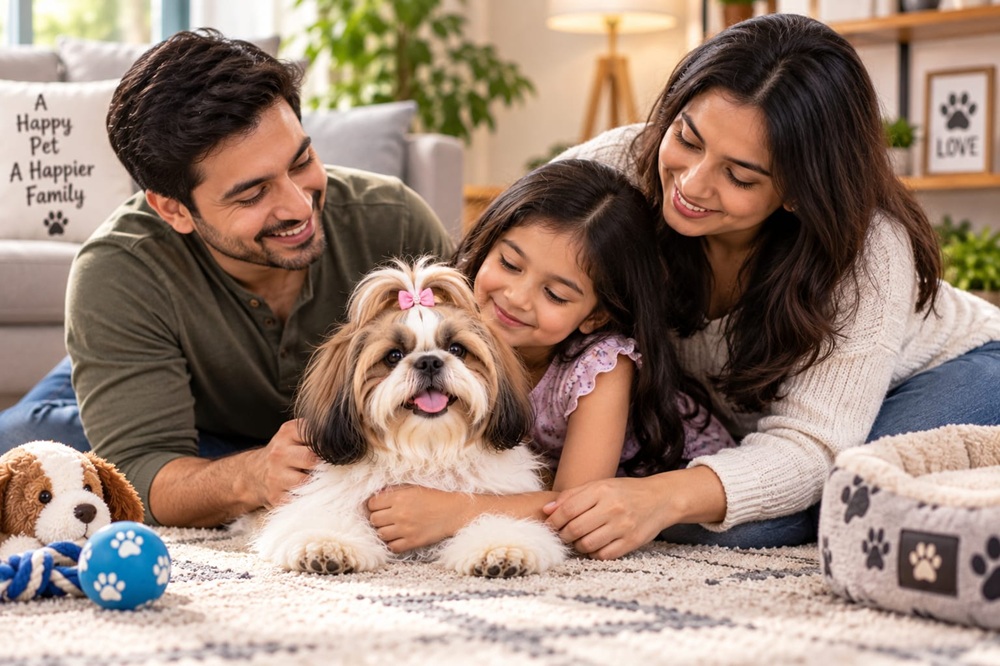
They usually enjoy being part of family life and may become unhappy if regularly left alone for extended periods. Their affectionate nature makes them particularly appealing to people looking for a close companion.
Families with children should teach kids how to interact respectfully with a small dog. Supervision is especially important with younger children because accidental rough handling can injure a small dog.
Is a Shih Tzu Right for Your Family?
A Shih Tzu may be a great choice if you want a small, affectionate companion that enjoys spending time indoors and does not require extreme amounts of exercise.
However, this breed is not low-maintenance. Regular grooming, dental care, veterinary attention, training, and companionship are important parts of responsible ownership.
It may be less suitable for someone who wants a highly independent dog that can comfortably spend most of the day alone or for an owner unwilling to commit to regular coat maintenance.
Final Thoughts
The Shih Tzu combines a small body with a big personality. Its affectionate nature, playful behavior, adaptable lifestyle, and distinctive appearance have made it a popular companion for generations.
The key to a happy Shih Tzu is not simply providing food and shelter. It needs companionship, grooming, appropriate exercise, positive training, good nutrition, and regular veterinary care.
For the right family, a Shih Tzu can be much more than a beautiful little dog—it can become a loyal companion that brings personality, affection, and plenty of entertaining moments into everyday life